Ninja Creami Keto and Low-Carb Ice Cream: What Actually Works
By Marty Cole · May 30, 2026
The first time I tried to make a keto ice cream in the Ninja Creami it came out like frozen dust. I spun it, re-spun it, added a splash of milk, re-spun it again, and ended up with something that was technically no longer powder but also not anything I'd call ice cream. I ate it over the sink feeling sorry for myself.
The problem wasn't the machine. The problem was that I'd replaced fat with nothing and sugar with erythritol, and erythritol is the enemy. Once I figured out what actually works in the Creami for low-carb pints, the results got dramatically better. Here's the short version.
Why low-carb Creami ice cream is harder than it looks
Regular ice cream gets its texture from fat coating ice crystals and sugar depressing the freeze point. Take both out and you get a frozen brick that spins into gravel. The Creami's spin process helps a lot -- it breaks up large ice crystals mechanically -- but it can't fully compensate for a base that has no fat and no sugar-equivalent.
The fix is to replace each one intentionally.
For fat: Heavy cream, full-fat coconut milk, cream cheese, cottage cheese, or peanut butter all add body and give the Creami something to spin smooth. Don't go lean on both fat and carbs at the same time, or you're fighting physics.
For sugar: Allulose is the right call here. It behaves like real sugar in the freeze -- depresses the freezing point, keeps the pint soft and scoopable -- but has almost no blood sugar impact. Monk fruit is fine for flavor. Erythritol is the problem sweetener. It crystallizes at low temperatures and makes pints crumbly and grainy no matter how many times you re-spin. If your Creami pints keep coming out gritty, read the sweetener panel on your protein powder -- erythritol is in a lot of them.
The protein pints that actually work
My Classic Chocolate Protein Ice Cream and Creamy Vanilla Bean Protein Ice Cream are the two I send people to first for low-carb Creami. Both are built to work with most whey or casein powders, both use allulose, and both spin up creamy if the base goes in cold after a full freeze.
My Cottage Cheese Vanilla Protein Ice Cream is the high-fat option -- cottage cheese has enough protein and fat to improve the texture significantly over a skim-milk-only base. The one thing you have to do is blend it completely smooth before freezing. Any visible curds become texture issues in the spun pint.
My Mint Chocolate Chip Protein Ice Cream is the sneaky option for low-carb. Mint extract has a slight numbing effect that makes a lean base taste creamier than it actually is. It's one of the few flavors where I struggle to tell the difference between a protein version and a full-fat one.
For absolute minimum effort, my Fairlife Chocolate Shake Ice Cream is just a Fairlife protein shake poured into a pint and frozen. One ingredient, no blending, 30g of protein, and it spins smooth because the filtered milk protein concentrate in Fairlife freezes well.
Coconut milk for dairy-free keto
Full-fat coconut milk is a solid dairy-free keto base -- enough fat to spin creamy, naturally low in sugar in the unsweetened version. My Dreamy Vanilla Coconut Ice Cream is the starting point: coconut milk, allulose, vanilla, a pinch of salt. It works. The coconut flavor is present, which is fine for vanilla, and almost invisible in my Deep Chocolate Coconut Ice Cream where the cocoa takes over.
The one other thing that kills low-carb pints
Two scoops of protein powder. People do this to chase higher protein numbers and end up with something dense, chewy, and strange. One scoop per 16 oz pint is the ceiling. Hit your macros elsewhere and let the Creami do what it does well with one scoop and a good fat source.
All the protein ice cream recipes are here.
Recipes from this guide
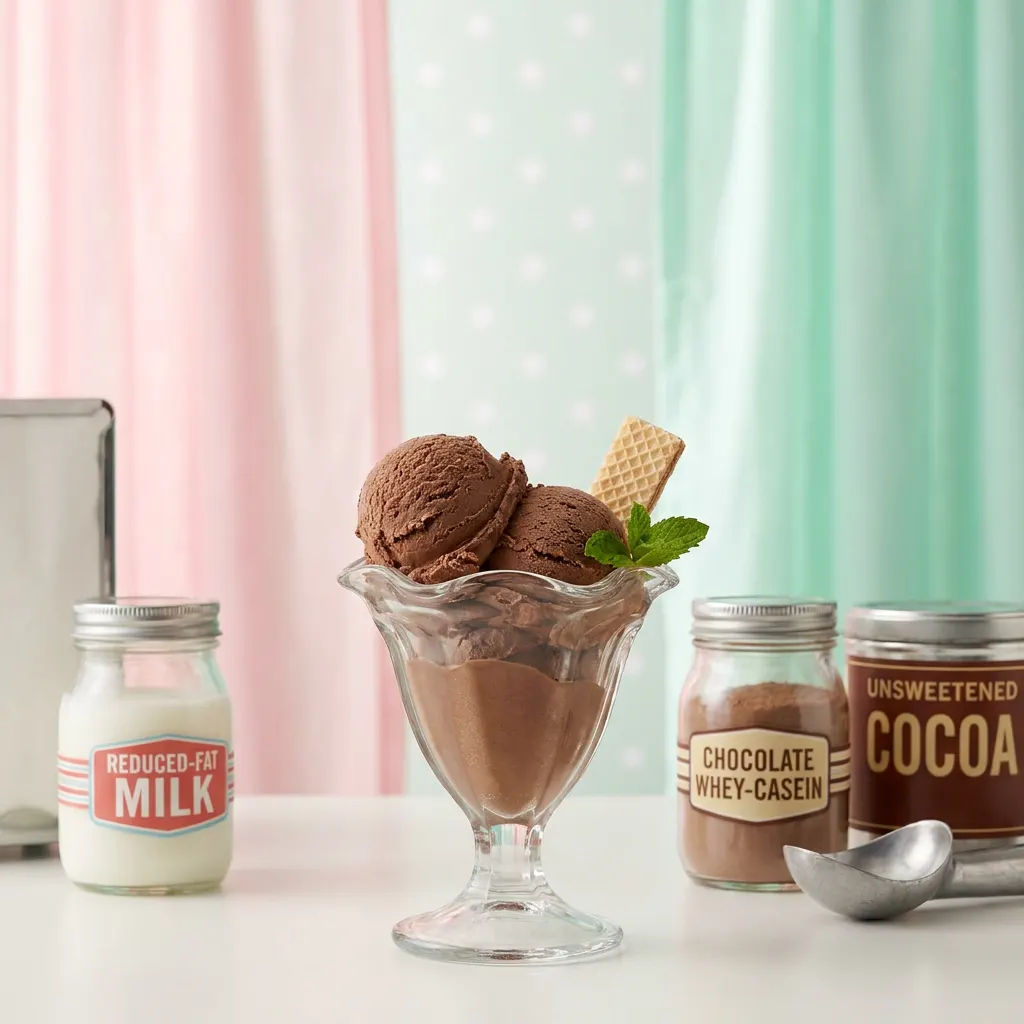
Classic Chocolate Protein Ice Cream
lite ice cream · freeze 24h
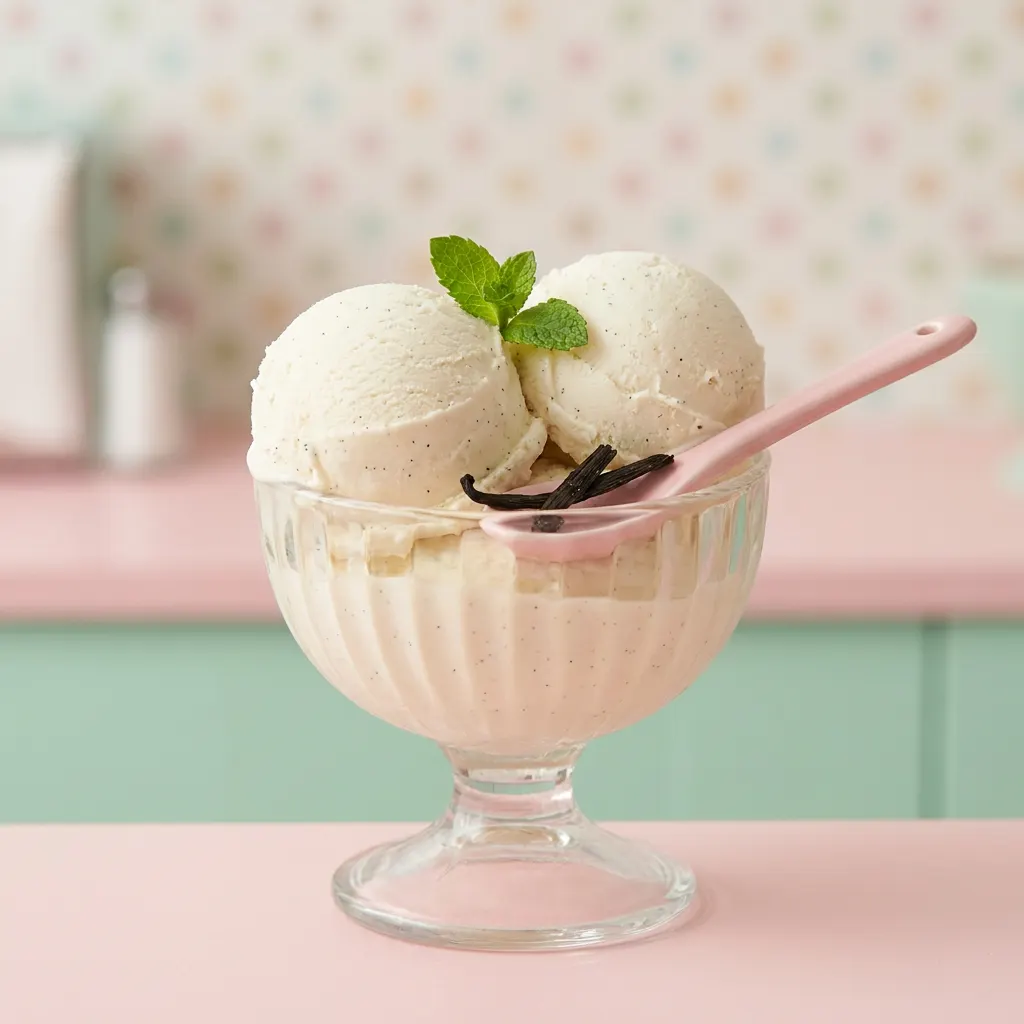
Creamy Vanilla Bean Protein Ice Cream
lite ice cream · freeze 24h
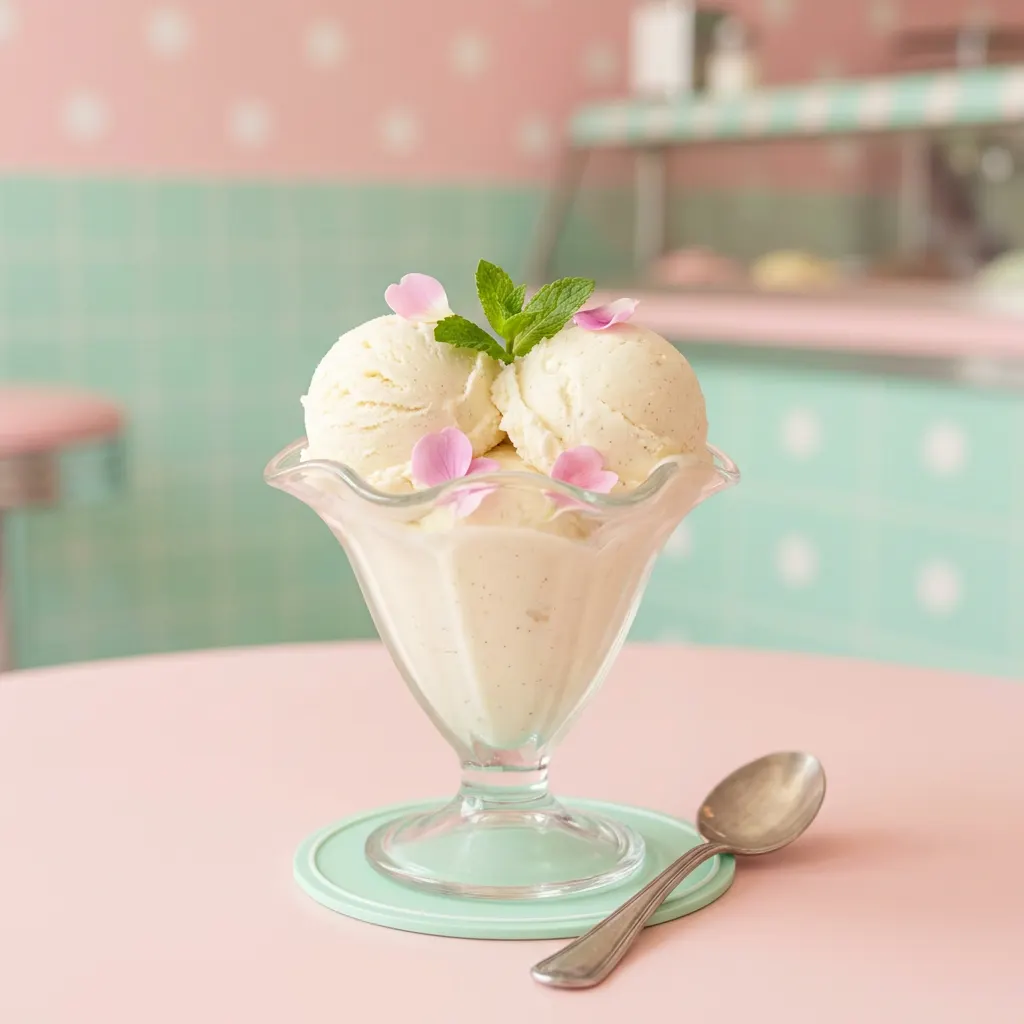
Cottage Cheese Vanilla Protein Ice Cream
lite ice cream · freeze 24h
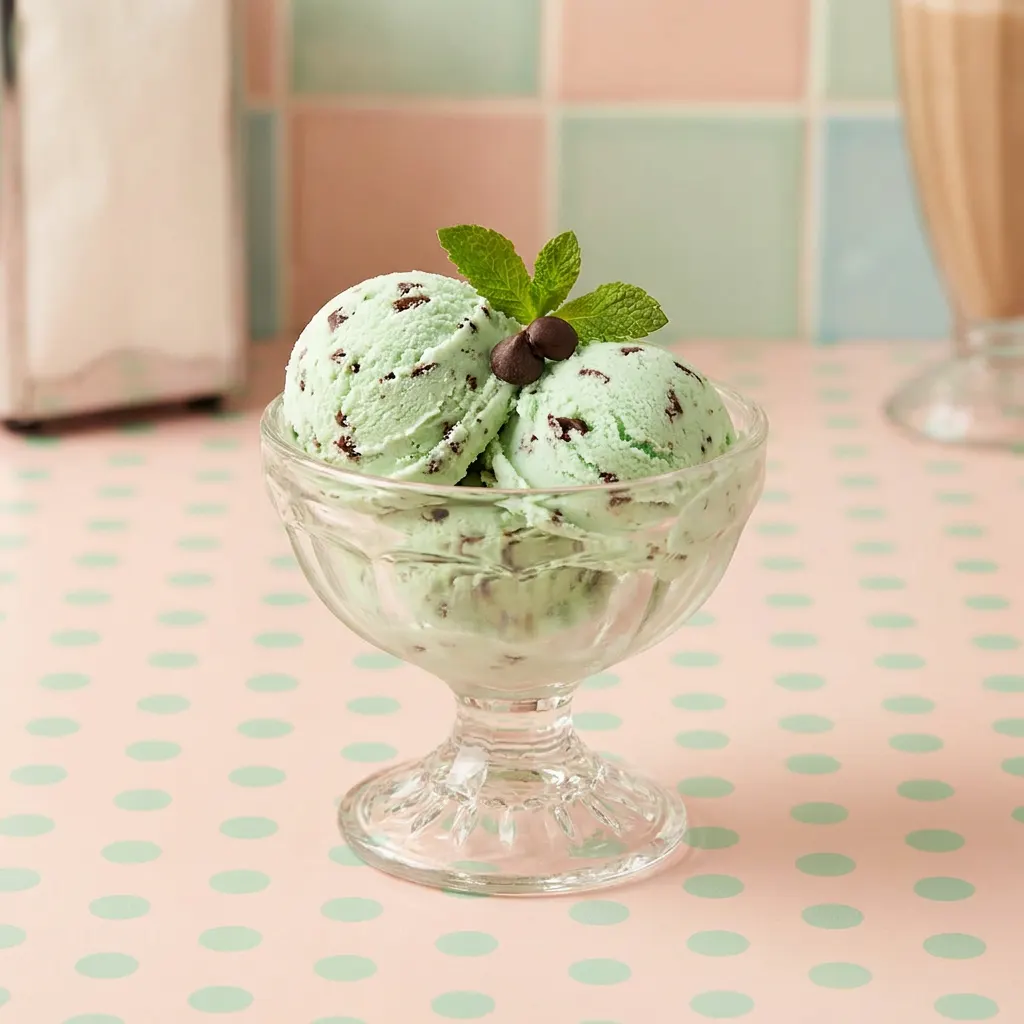
Mint Chocolate Chip Protein Ice Cream
lite ice cream · freeze 24h
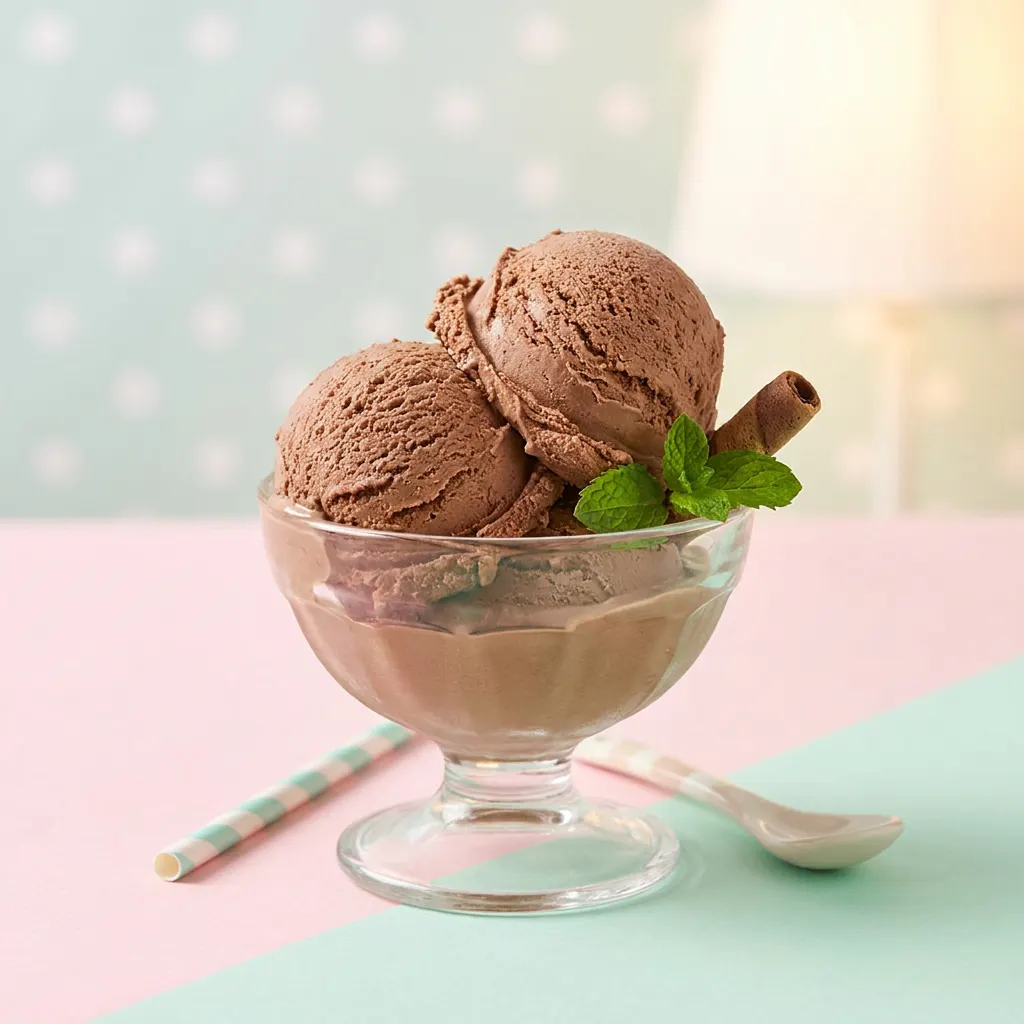
Fairlife Chocolate Shake Ice Cream
lite ice cream · freeze 24h
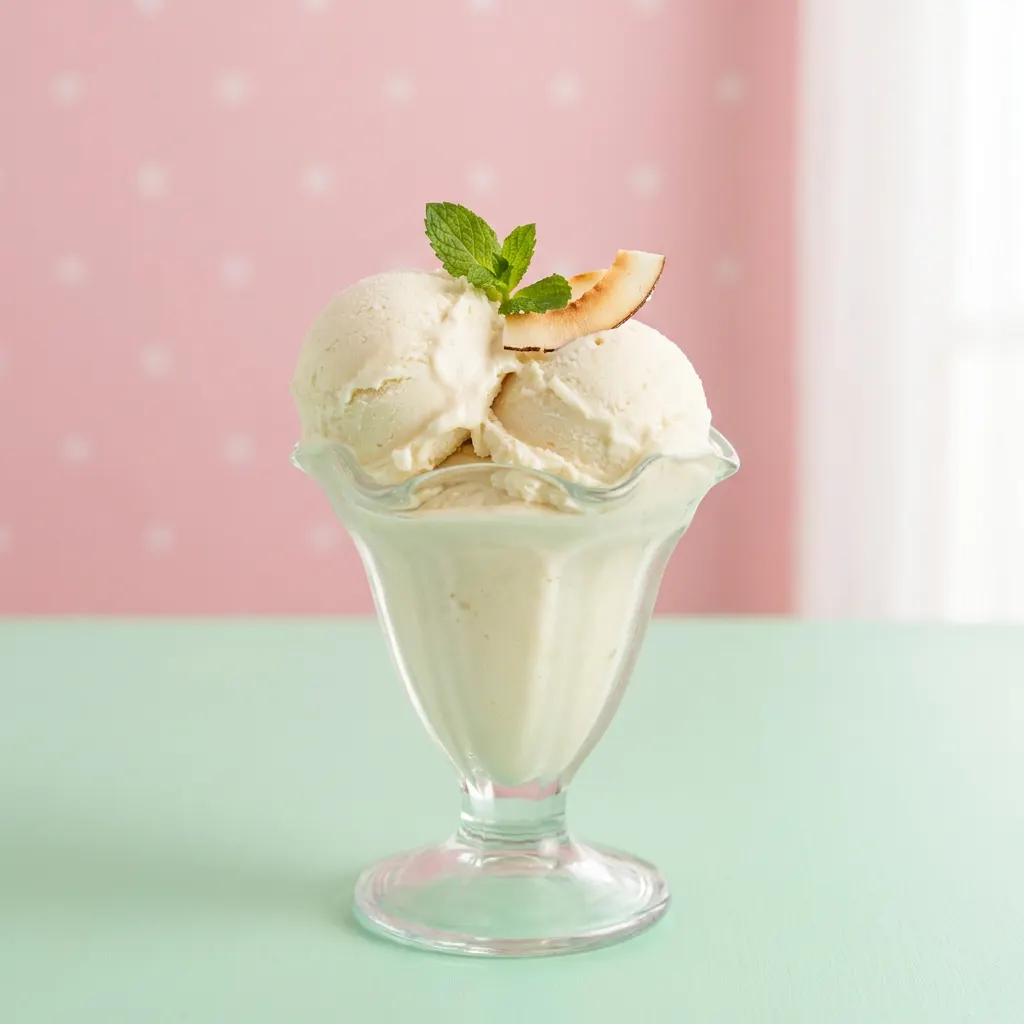
Dreamy Vanilla Coconut Ice Cream
ice cream · freeze 24h
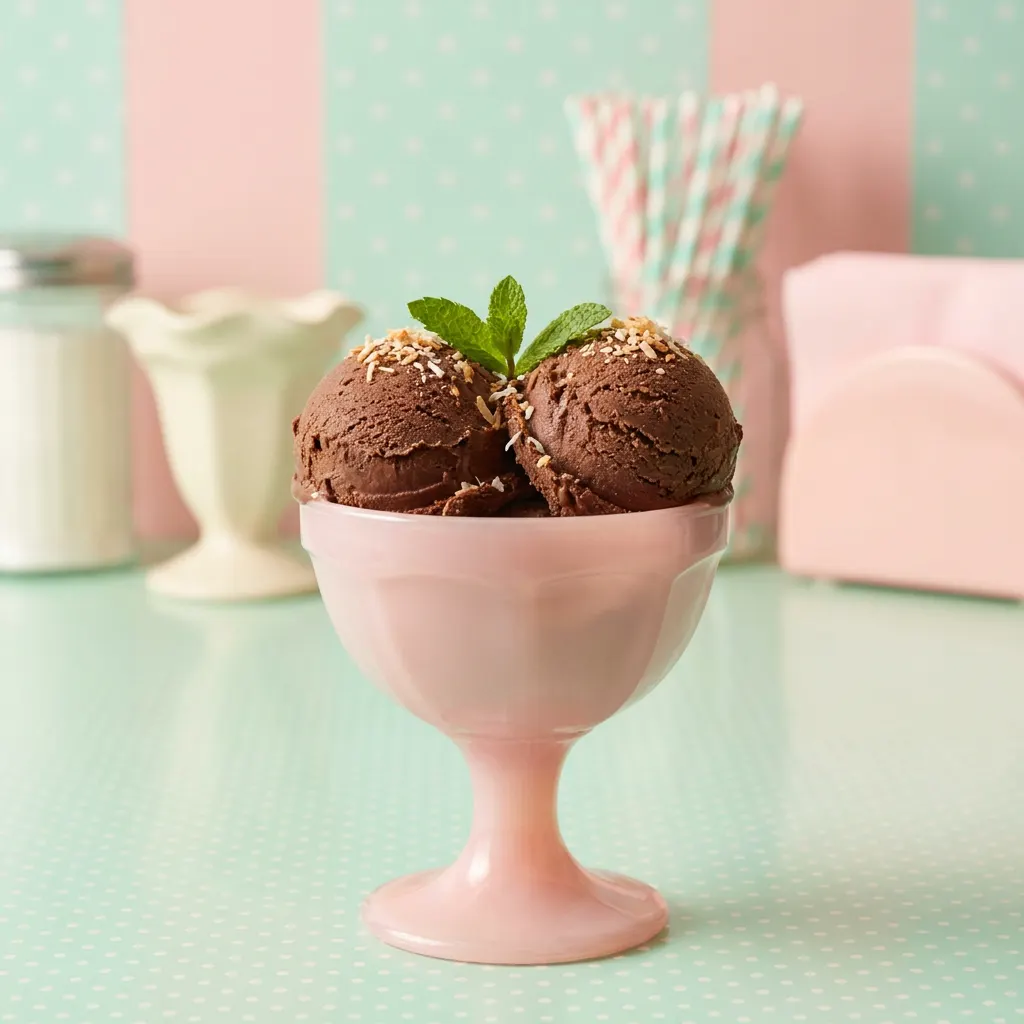
Deep Chocolate Coconut Ice Cream
ice cream · freeze 24h
Get the machine
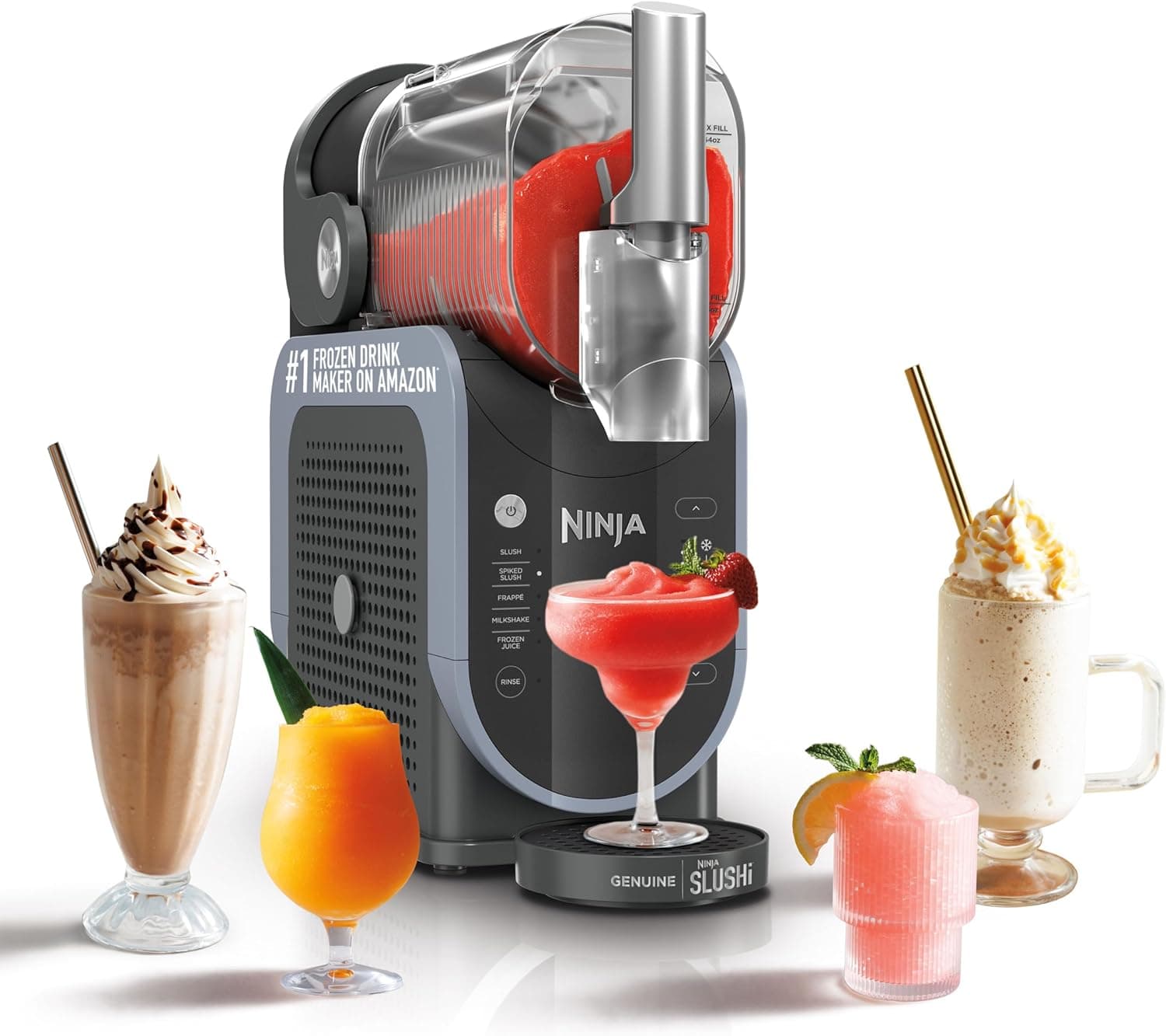
Ninja SLUSHi Frozen Drink Maker
The 64 oz machine every Slushi recipe here is tuned for.
Check price →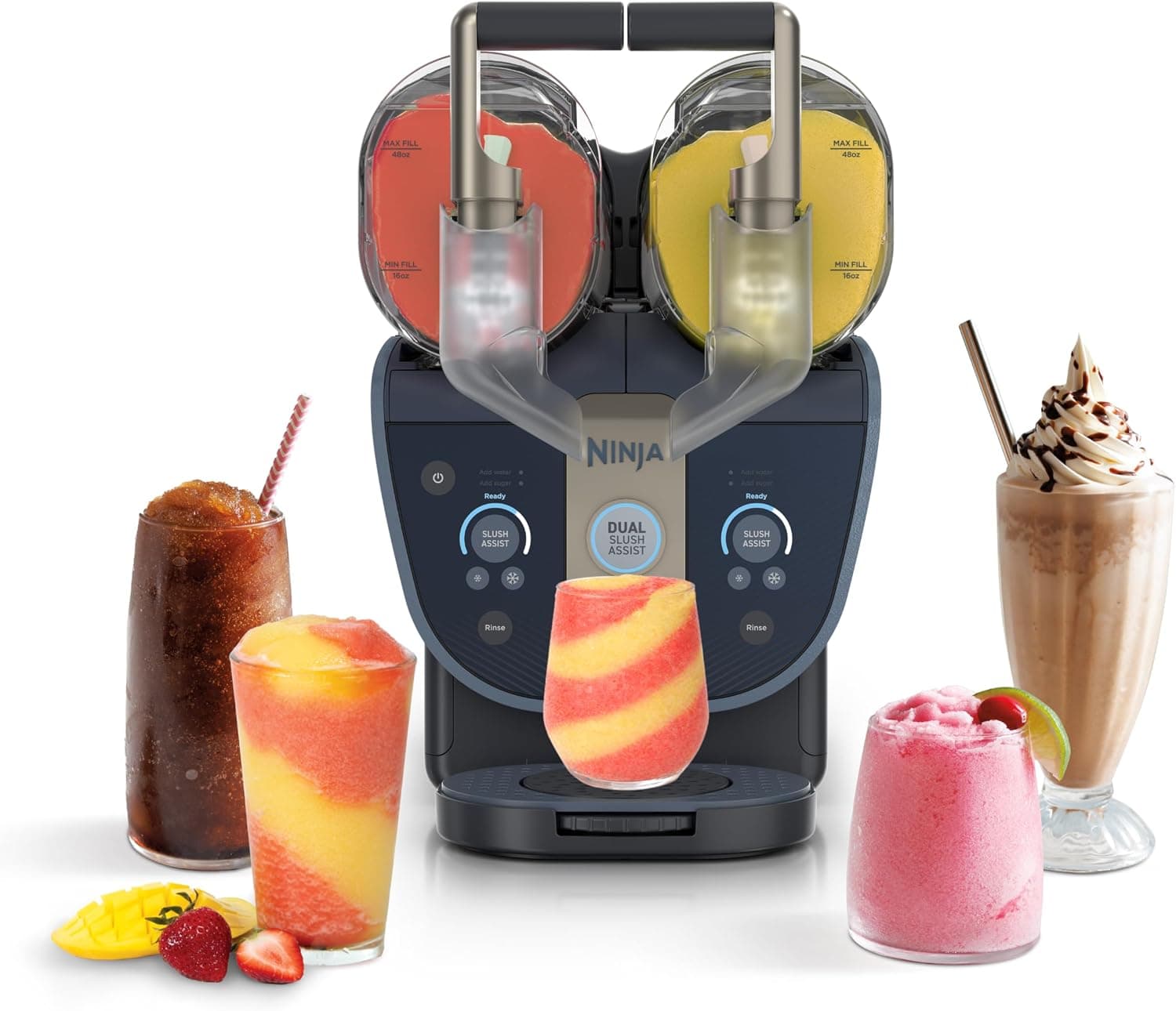
Ninja SLUSHi Twist (2 Flavors at Once)
Dual-tank Slushi: two flavors at once, up to 20% ABV.
Check price →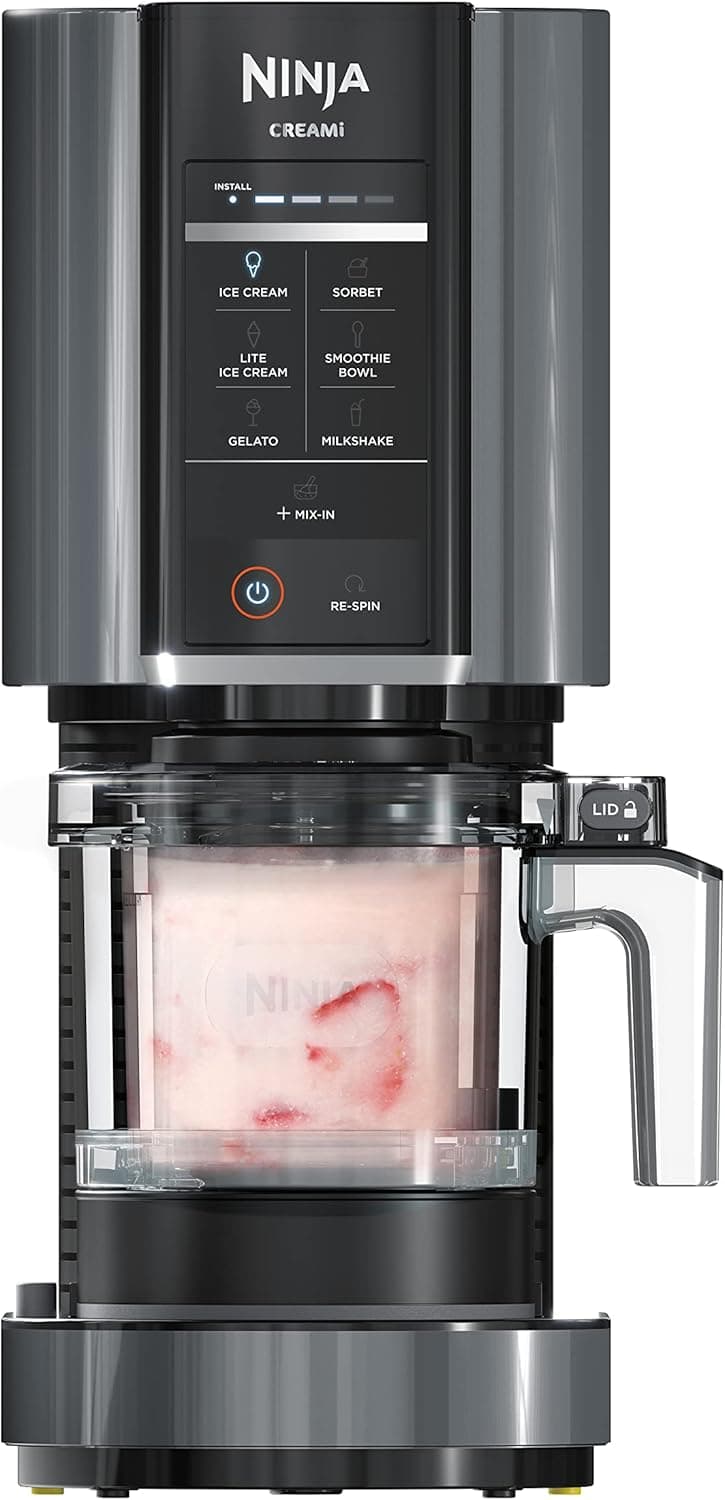
Ninja CREAMi Ice Cream Maker
Turn frozen bases into ice cream, gelato & sorbet.
Check price →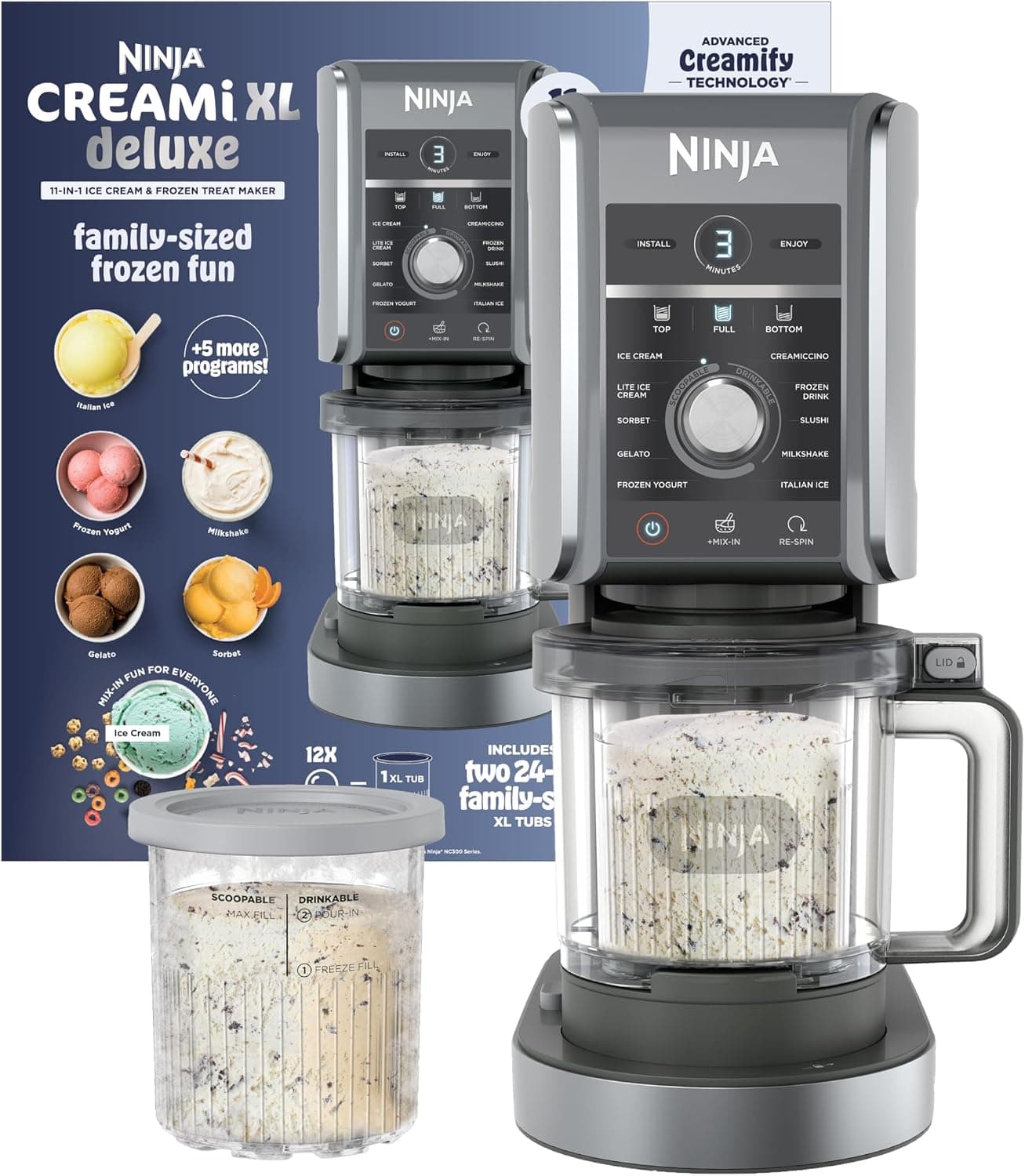
Ninja CREAMi Deluxe (11-in-1)
Bigger pints and more programs for serious batchers.
Check price →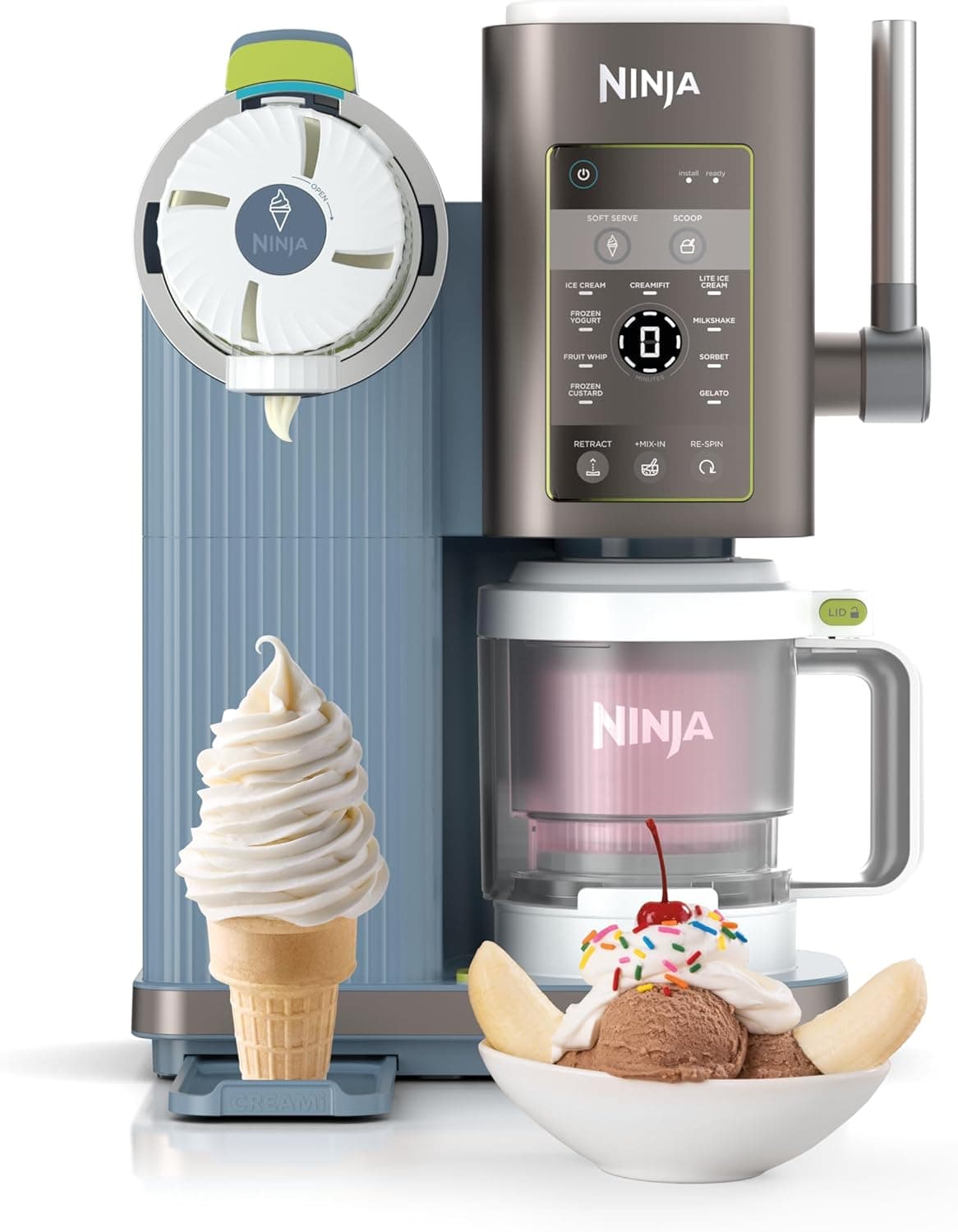
Ninja CREAMi Swirl
Soft-serve style swirls straight from the machine.
Check price →These are affiliate links. We may earn a commission from purchases at no extra cost to you. Learn more.