Sugar and the Ninja Slushi: Why It Matters and How to Fix Low-Sugar Recipes
By Marty Cole · June 21, 2026
My brother-in-law called me at minute 55 of his first Slushi batch. Nothing was freezing. The light was just spinning. He'd poured in a big bottle of Gatorade Zero and left it to do its thing. I knew exactly what had happened before he finished the sentence.
This is the one thing I wish somebody had explained to me when I bought the machine: the Ninja Slushi doesn't freeze things the way a blender or a freezer does. It works by scraping a thin layer of slush off a cold cylinder over and over with an auger. For that to work, the liquid has to stay soft and scrapeable at low temperatures instead of locking into solid ice. And the thing that keeps it soft is sugar.
No sugar, no slush. That's it. That's the whole thing.
What the machine is actually doing
The cylinder gets very cold. The liquid inside it starts to freeze against the cylinder wall. The auger comes through and scrapes that frozen layer off, then it refreezes, and the auger scrapes it again. That's the cycle, over and over, until you've got a batch of aerated, slushy texture instead of one solid block.
Sugar lowers the freezing point of water. A sugary liquid freezes at a lower temperature than plain water does, which means it stays soft enough for the auger to scrape instead of hardening into a sheet the auger can't cut through. Once that hard sheet forms, the machine gives up and triggers the low-sugar safety shutoff. You'll see the descending light pattern and hear beeping. That's not a malfunction. That's the machine telling you exactly what's wrong.
The minimum sugar floor
About 4% sugar by weight is the rough floor I shoot for. For a 64 oz batch, that's roughly 2.5 ounces, or a little over five tablespoons of sugar or simple syrup. Full-sugar sodas and juices are almost always above that line on their own, so they work without adjustment. Sports drinks are usually okay. Diet, zero, and sugar-free drinks have essentially zero and will not freeze no matter how long you wait.
If you're not sure where your mix lands, taste it. It should taste noticeably sweet in a cold glass. If it tastes like flavored water, it's too lean. Add simple syrup until it has some sweetness, then try again.
The fix for diet and zero-sugar drinks
This is where it gets interesting, because the zero-sugar fix actually works really well once you know it.
Liquid allulose is the move. It's a sweetener that behaves like sugar in a liquid, lowering the freezing point and enabling the slush texture, but it contributes almost no calories or carbs. For a 64 oz batch of something like Coke Zero or a sugar-free sports drink, four to five tablespoons of liquid allulose gets you past the threshold. A small splash of lemon juice alongside it helps the crystals set up cleaner.
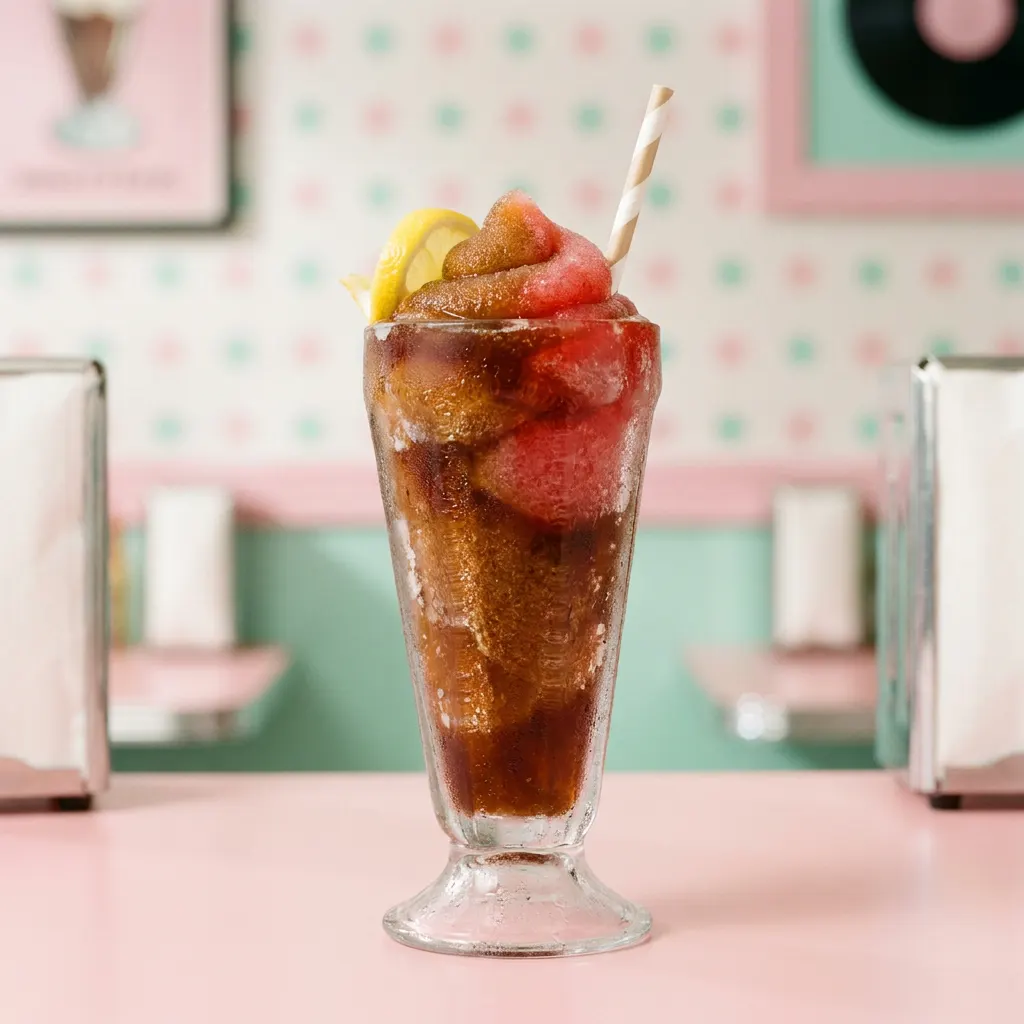
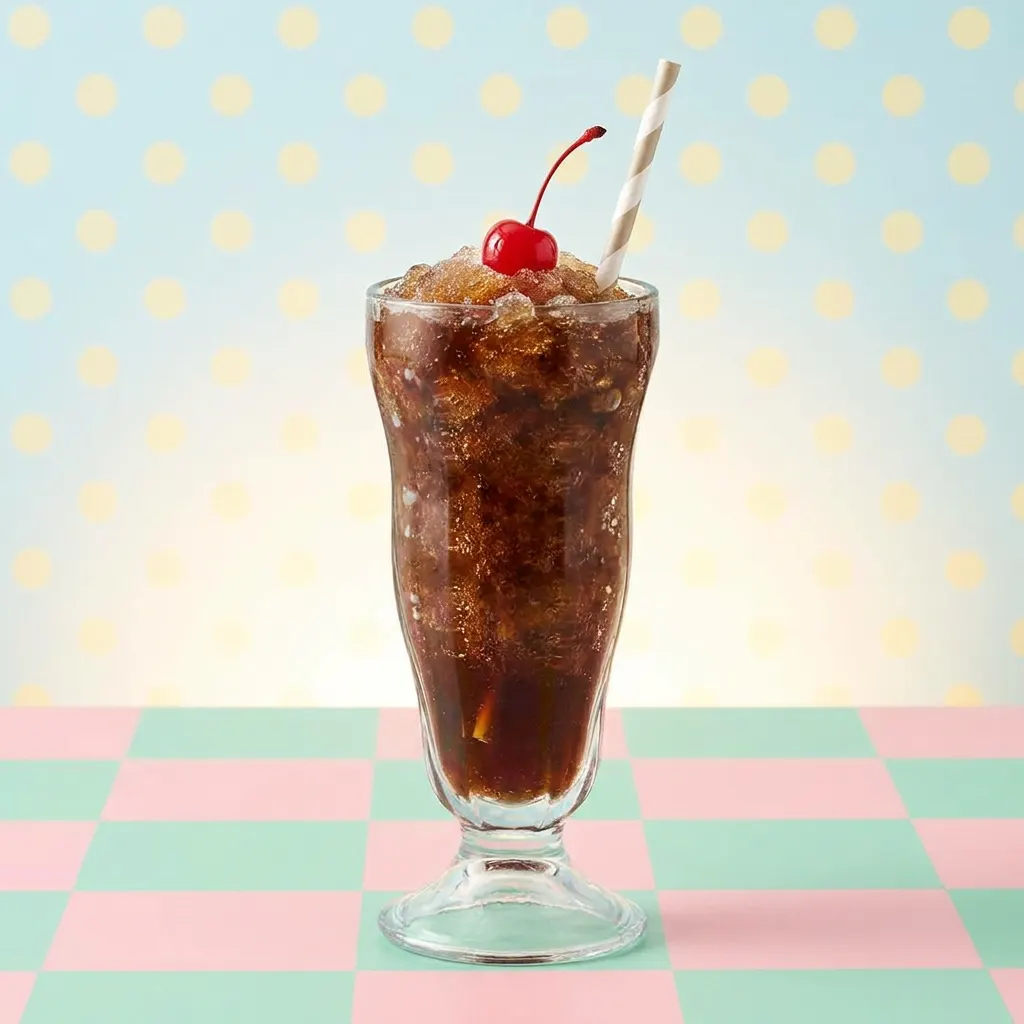
This is exactly how my Frozen Coke Zero works. It tastes like the fountain version and it freezes exactly like the full-sugar original. Once you've got the allulose in your pantry, zero-sugar slushies are as easy as regular ones.
If you don't want to track down allulose, a couple tablespoons of regular simple syrup does the same structural job. You're adding real sugar and a few carbs, but you're also making slush instead of cold soup, which is usually the more important outcome.
Juices and fruit-based mixes
Fruit juice is mostly sugar and water, so it freezes well, but watch the pulp. Pulp grabs the auger and slows the churn. Strain your juice through a fine mesh strainer before it goes in and the texture comes out noticeably smoother. Pulp-free juice is the easy button if you don't want to deal with it.
Homemade mixes are where people get into trouble. Fresh squeezed citrus, pureed fruit, or herb syrups can land all over the place on sugar content. Build your mix in a glass first and taste it. If it's sweet enough to drink, it's probably sweet enough to freeze. If it's tangy or flat, add simple syrup before it goes into the machine.
The quick-fix checklist
If your batch won't freeze, run through these in order. Sugar too low: add a couple tablespoons of simple syrup or allulose and restart. Diet or zero-sugar drink: add allulose as above. Lots of pulp: strain it out and try again. Ingredients warm: re-chill everything first. Batch over the fill line: pour some out.
Most of the time it's the first one. Once you've got the sugar math in your head, the machine stops being a mystery and starts just being the thing that makes frozen drinks while you do something else.
Here are all our Slushi recipes if you want a batch that's already got the ratios worked out.
Recipes from this guide
Get the machine
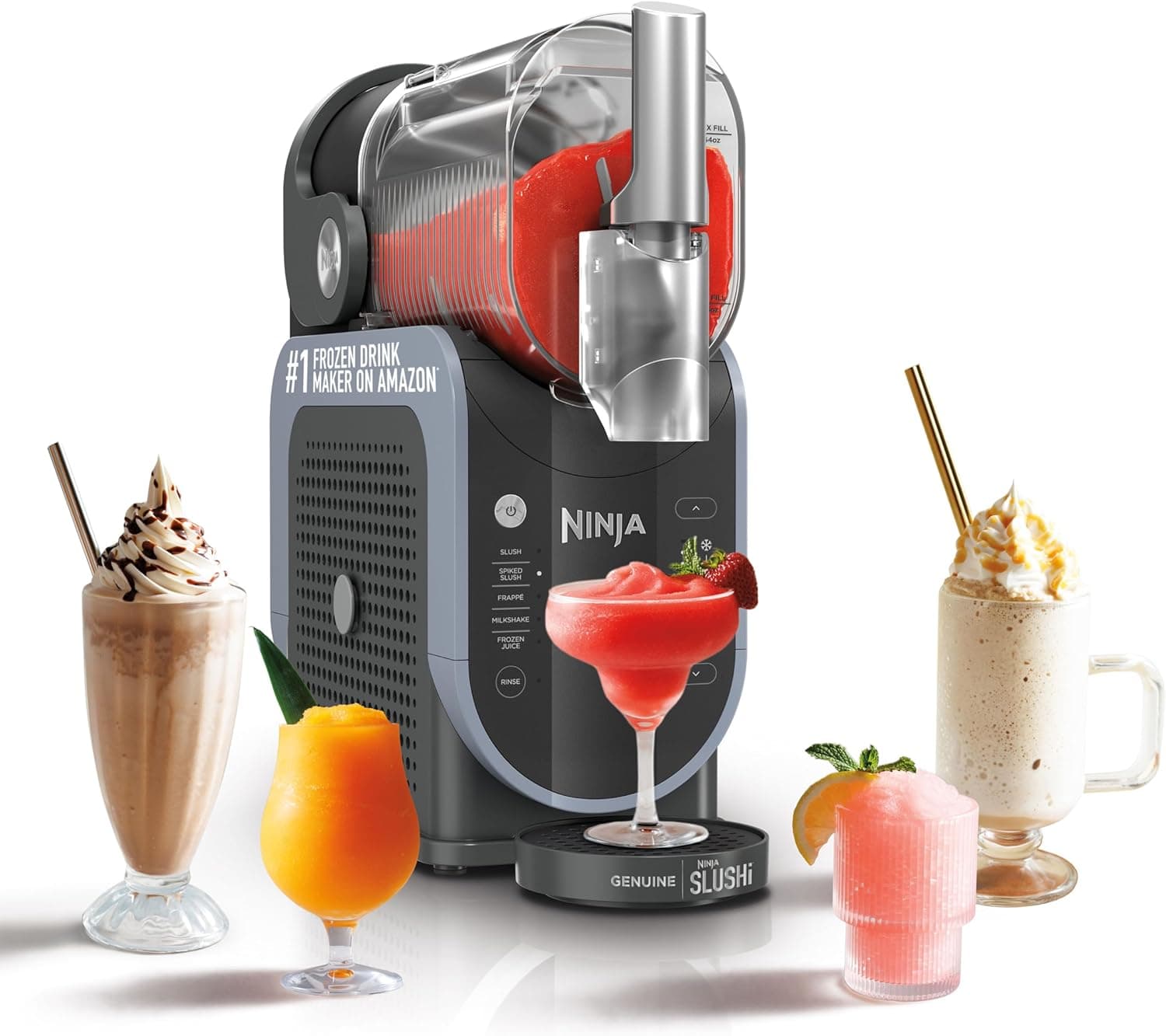
Ninja SLUSHi Frozen Drink Maker
The 64 oz machine every Slushi recipe here is tuned for.
Check price →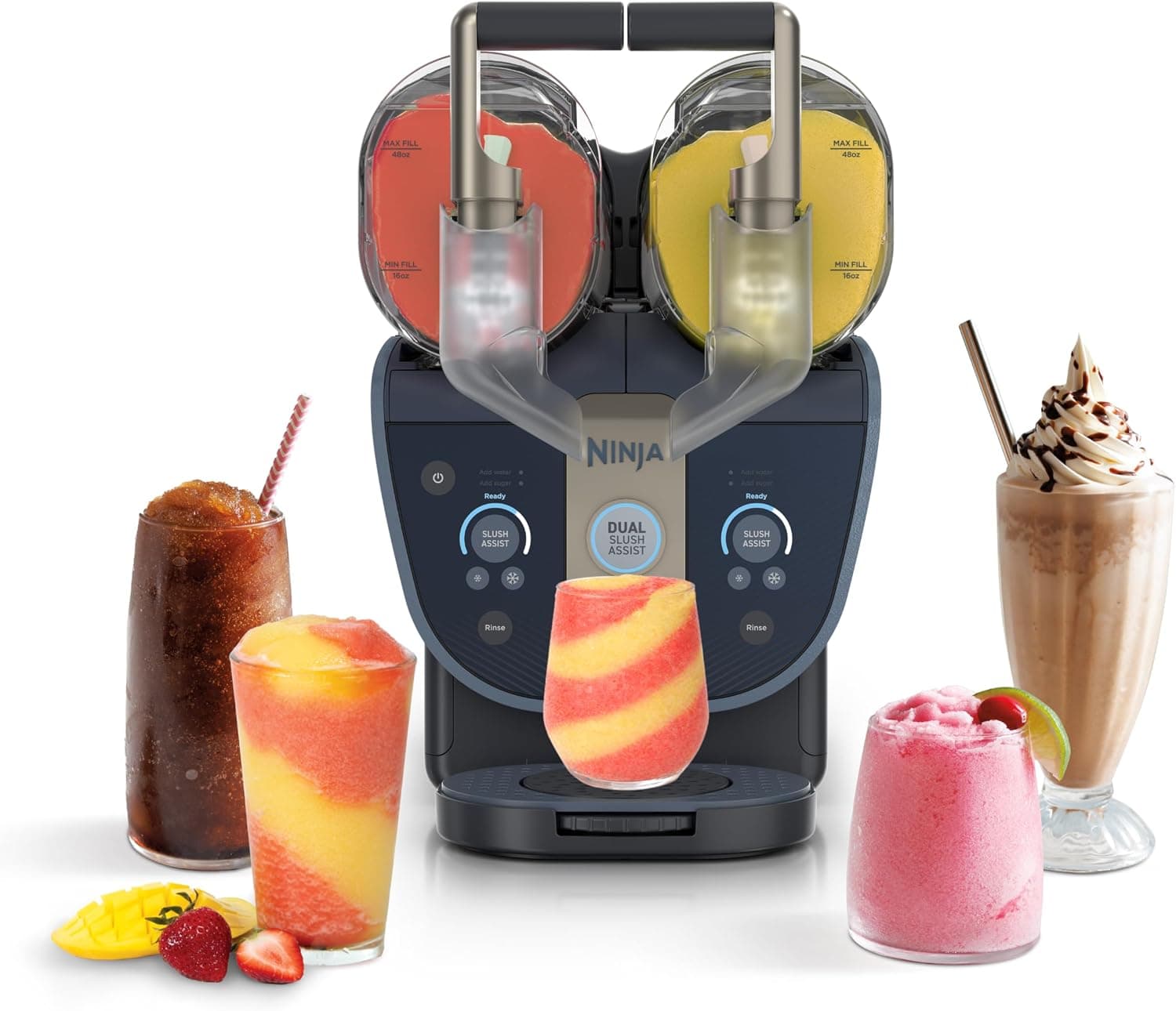
Ninja SLUSHi Twist (2 Flavors at Once)
Dual-tank Slushi: two flavors at once, up to 20% ABV.
Check price →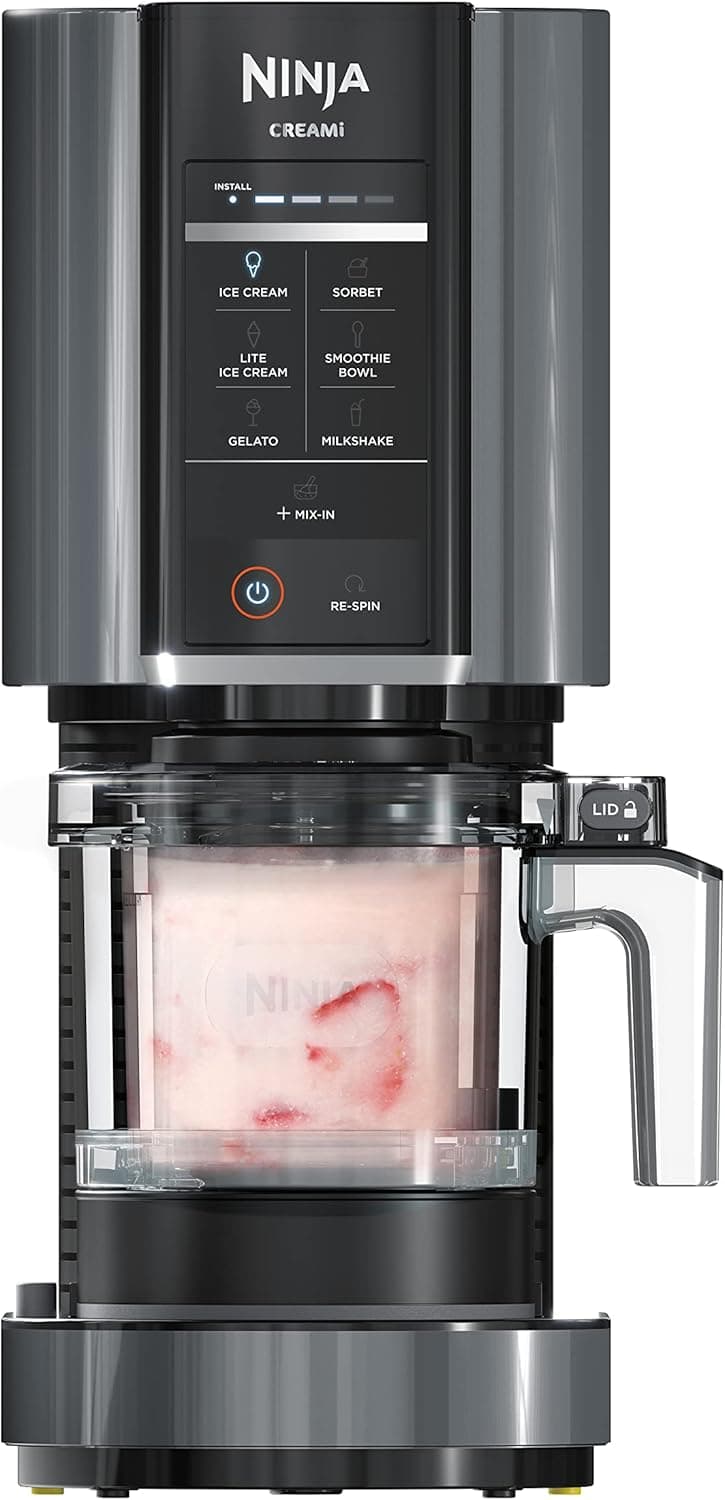
Ninja CREAMi Ice Cream Maker
Turn frozen bases into ice cream, gelato & sorbet.
Check price →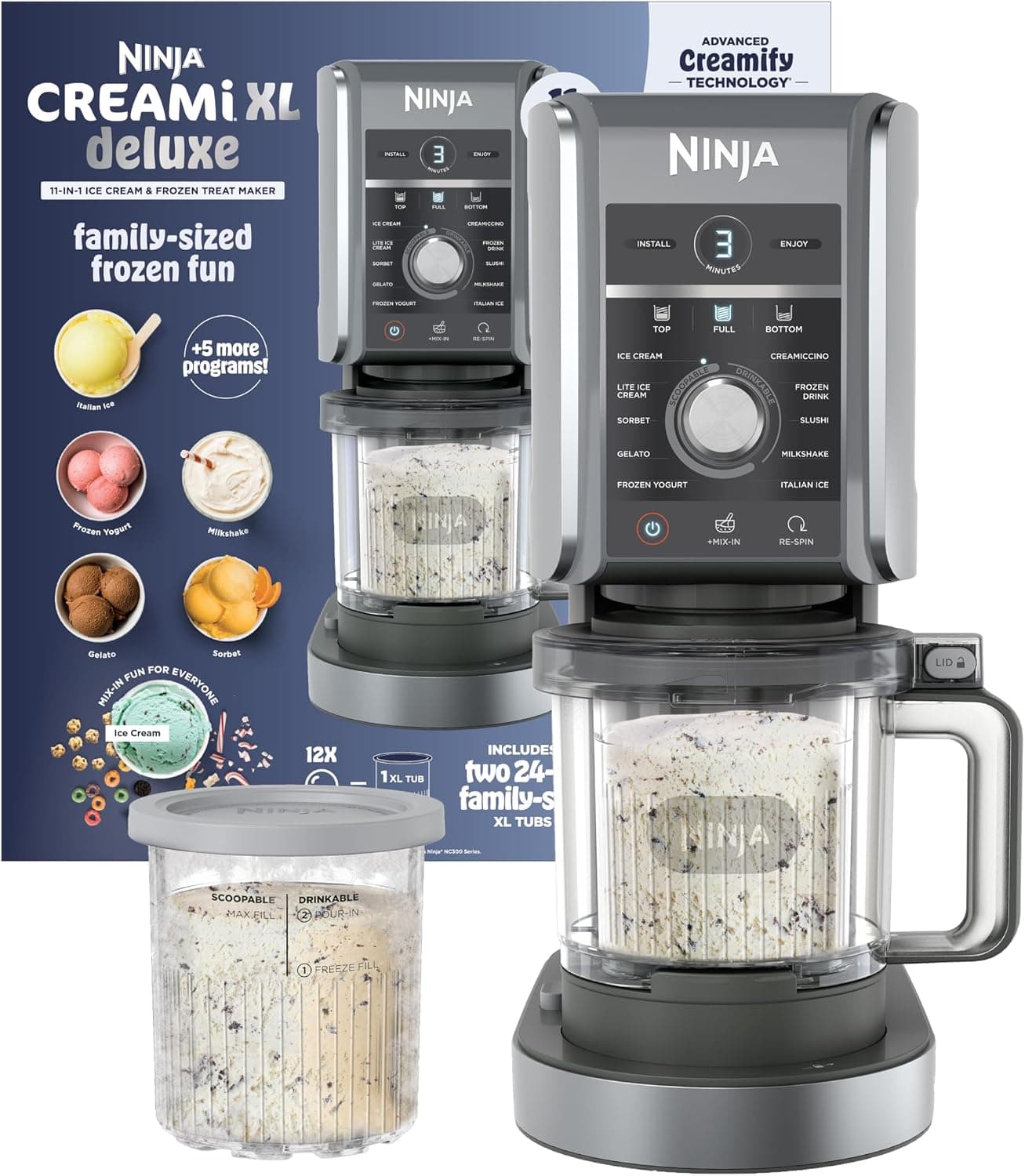
Ninja CREAMi Deluxe (11-in-1)
Bigger pints and more programs for serious batchers.
Check price →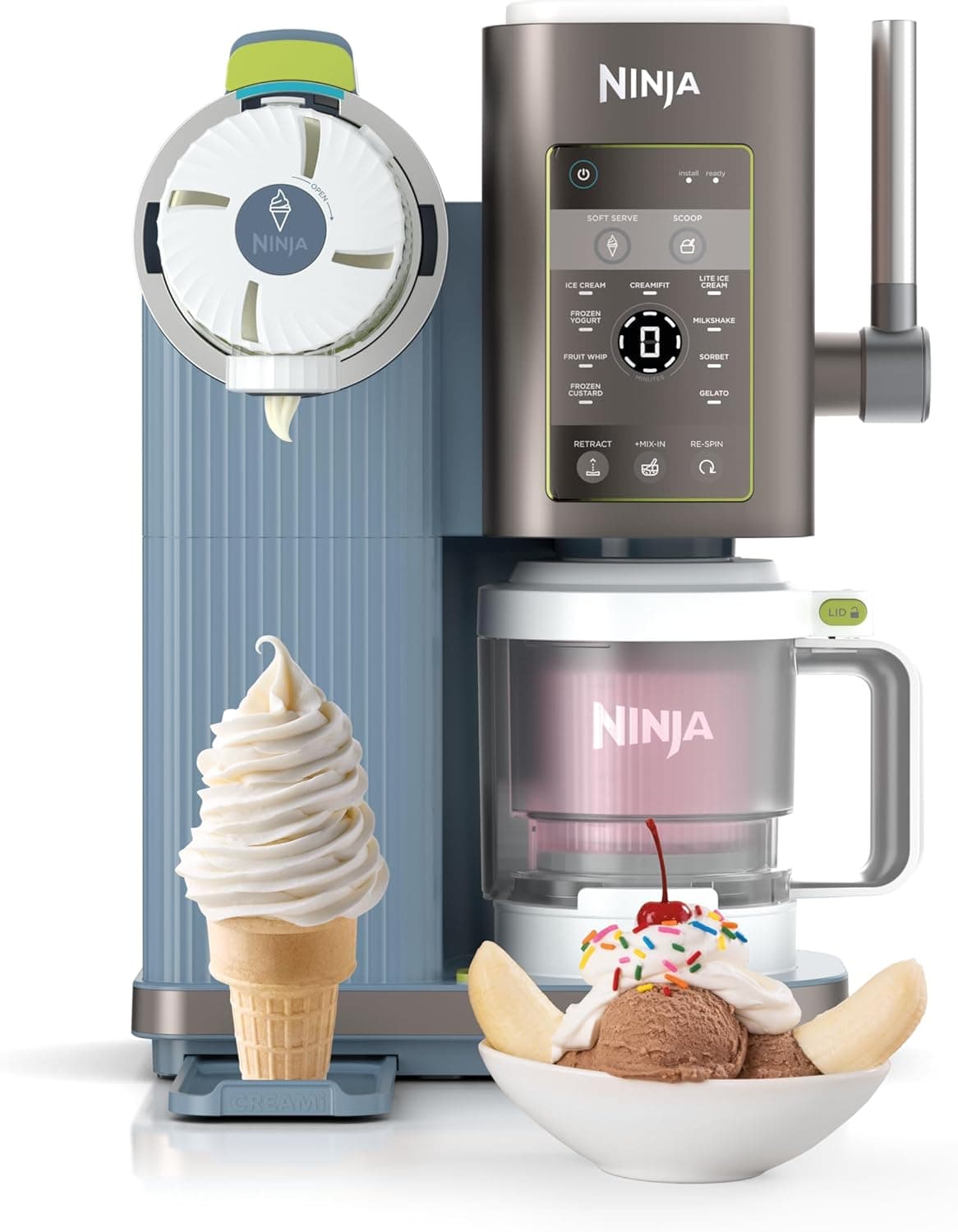
Ninja CREAMi Swirl
Soft-serve style swirls straight from the machine.
Check price →These are affiliate links. We may earn a commission from purchases at no extra cost to you. Learn more.