Why Won't My Ninja Slushi Freeze? 7 Fixes That Actually Work
By Marty Cole · April 11, 2026
It's minute 40. The little progress light has been spinning forever, and you're standing at the counter looking at a cylinder of sad, cold liquid that is absolutely not a slushie. I've been there. The first time my Ninja Slushi wouldn't freeze I assumed I'd broken a brand-new machine, which is a great way to ruin a Tuesday. Good news: the machine is almost certainly fine. The Slushi is just picky about a few things, and once you know what they are, you can fix this in a couple minutes.
Here's the short version of why your Ninja Slushi won't freeze, then the actual fixes.
The real reason: sugar (and a few friends)
The Slushi doesn't freeze water into a block. It scrapes a thin, slushy layer off a cold cylinder over and over with that auger. For that to work, the liquid needs enough dissolved sugar to stay soft and scrapeable instead of locking into a solid ice sheet. Roughly 4% sugar is the floor. Drop below that and the water freezes into a hard sheet on the cylinder wall, the auger can't churn through it, and the machine throws up its low-sugar safety shutoff. That's the descending light and the beeping. It's not broken. It's telling you the recipe is off.
Alcohol and pulp cause their own problems, but sugar is behind most "my Ninja Slushi is not freezing" panics. Let's go fix-by-fix.
1. Add sugar if you went too low
If you're running juice, lemonade, or a homemade mix and it's just sitting there liquid, it almost certainly doesn't have enough sugar. The fix is exactly as dumb as it sounds: add some. A couple tablespoons of simple syrup stirred in, then restart, usually gets it churning within a few minutes. You don't need it candy-sweet. You need it past that 4% line so the auger has something soft to scrape.
2. Diet and zero sodas need a sugar stand-in
This is the big one. Coke Zero, Diet Pepsi, all the zero-sugar stuff has basically no sugar, so it physically cannot freeze in the Slushi on its own. People pour in a full bottle, wait, and get a cold puddle and a beep. Annoying, but easy to beat.
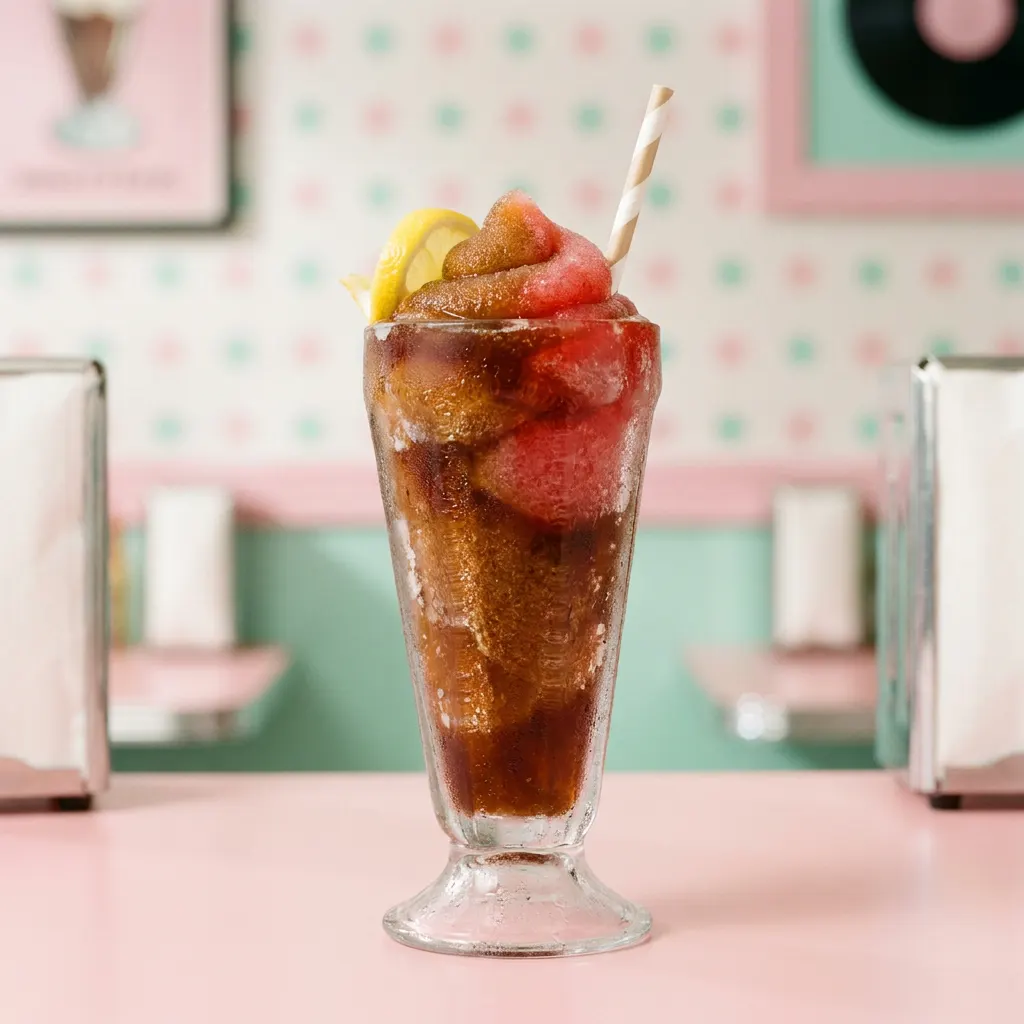
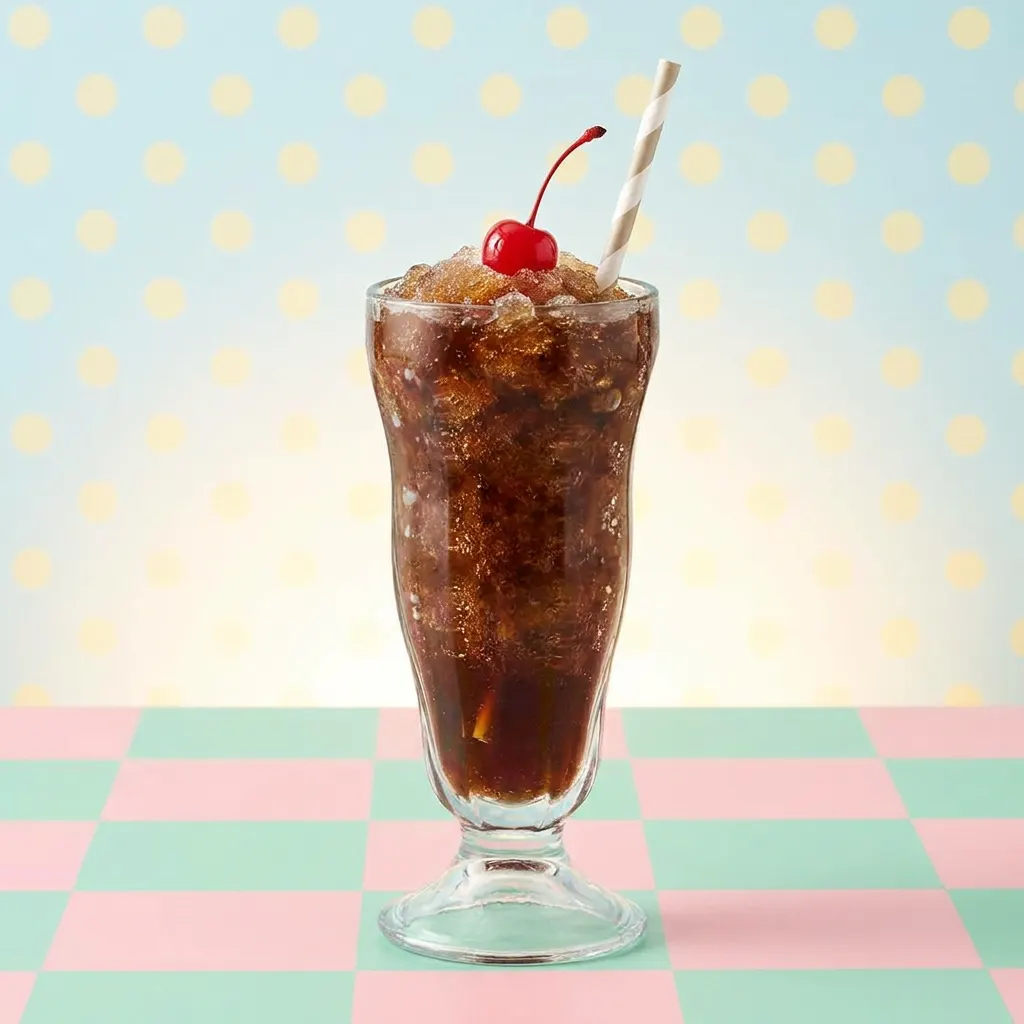
The trick is liquid allulose. It's a sweetener that freezes like sugar but keeps the drink zero-ish calorie. Add about 4 to 5 tablespoons per 64 oz batch and you're back in business. A couple tablespoons of simple syrup works too if you don't mind a few carbs. A small splash of lemon juice helps the crystals set up nicer, so I throw that in as well. That's the whole move behind my Frozen Coke Zero, and it comes out tasting like the fountain version without the sugar crash. If you'd rather skip the chemistry entirely, regular full-sugar cola just works, which is why the Classic Cola Slush is one of the most foolproof things you can make in this machine.
3. Too much booze, no freeze
Alcohol doesn't freeze, and if there's too much of it in the cup, it'll stop everything else from freezing too. The Slushi taps out somewhere around 16% ABV. Go past that and you get a boozy cold soup that never firms up.
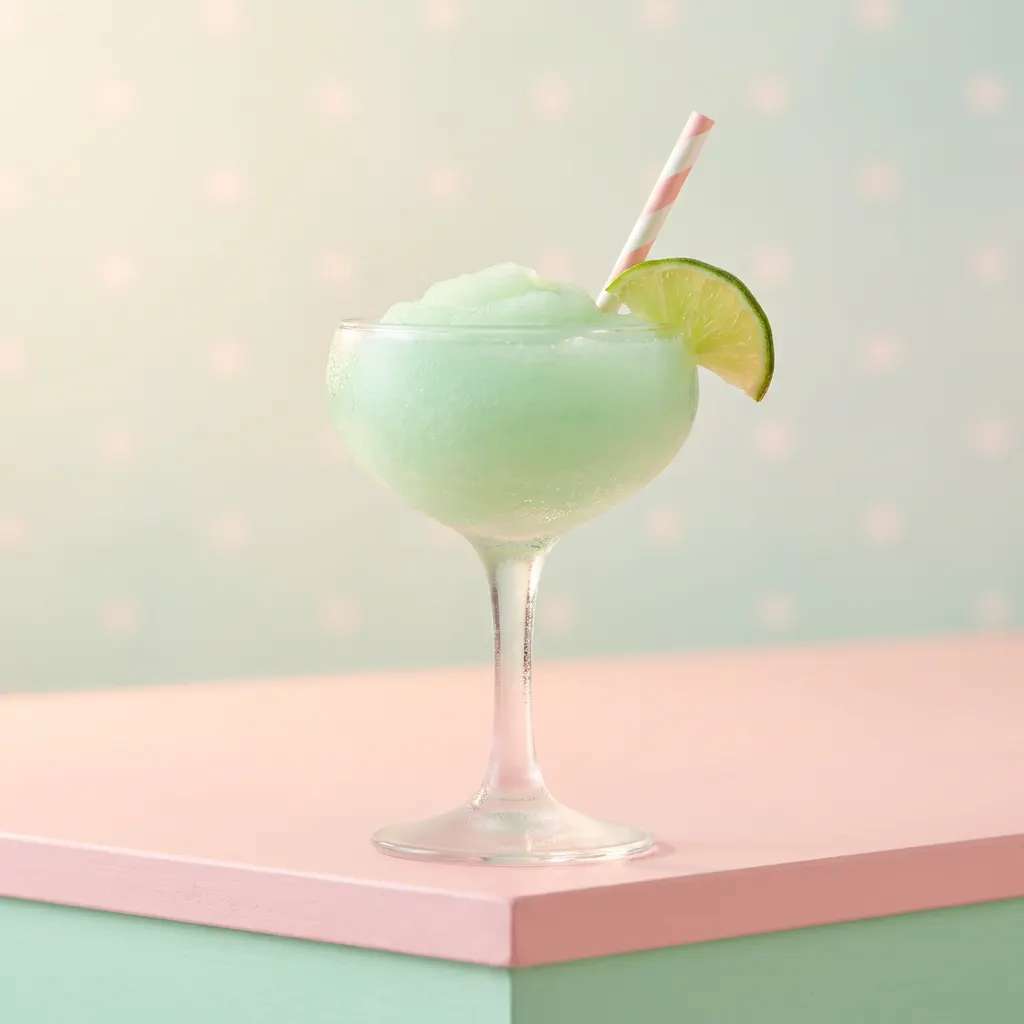
For 40% spirits like vodka or tequila, my rule is no more than about 10 oz of spirit per 64 oz batch, and the rest of the cup gets water, juice, or soda to bring the strength down. If a batch refuses to freeze, add a quarter cup of water or juice per serving and restart, that usually pulls it back under the line. My Classic Frozen Margarita is built around that exact ratio, so it freezes every time instead of becoming an expensive tequila slushpuppy.
4. Strain the pulp
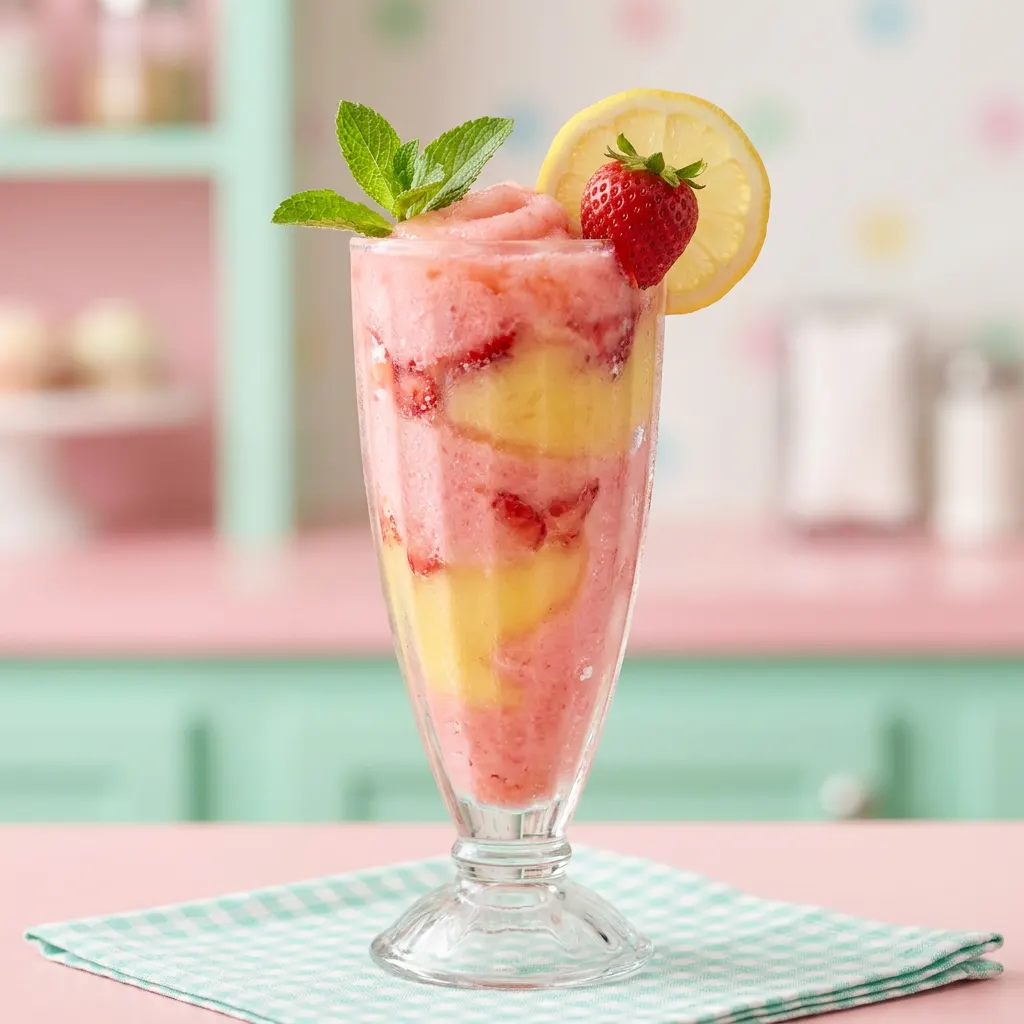
Pulp is sneaky. Those little fibers grab onto the auger and gunk up the churn, and suddenly your perfectly sweet juice won't set. Use pulp-free juice when you can, or pour your juice through a fine strainer before it goes in. My Frozen Strawberry Lemonade Slush gets a quick strain for exactly this reason, and the texture is smoother for it.
5. Pre-chill everything first
The Slushi is a churner, not a deep freezer. It works way better if you hand it cold ingredients instead of asking it to drop a room-temperature drink down 50 degrees. Stick your soda, juice, or mix in the fridge for a few hours, or overnight, before you pour. Warm liquid is one of the quietest reasons a batch takes forever or never gets there.
6. Let fizzy drinks calm down
Carbonation messes with the freeze. Too many bubbles and the slush goes foamy and refuses to grab. Before you pour a soda or sparkling drink, give it a minute to let some of the fizz escape, a gentle stir helps. You'll still get a fizzy slush, just not a frothy mess that won't firm up.
7. Don't fill past the max line
Last one, and the easiest to skip. The max fill line is there because the auger needs room to move the liquid around. Overfill it and the machine can't circulate properly, so it churns and churns and nothing freezes evenly. If you're over the line, pour a little out and try again.
Still won't freeze?
Run the checklist in order: enough sugar (or allulose), booze under control, pulp strained, ingredients cold, fizz settled, fill under the max line. Nine times out of ten one of those is your culprit, and the machine starts behaving the second you fix it. If you've got all six dialed in and it's still beeping at you, then it's worth checking that the bowl and auger seated correctly, since a misaligned cylinder won't chill right either.
Once you've got the sugar math down, this thing is genuinely hard to mess up. Grab a recipe that's already balanced and let it do its job. Here are all our Slushi recipes if you want one that freezes on the first try.
Recipes from this guide
Get the machine
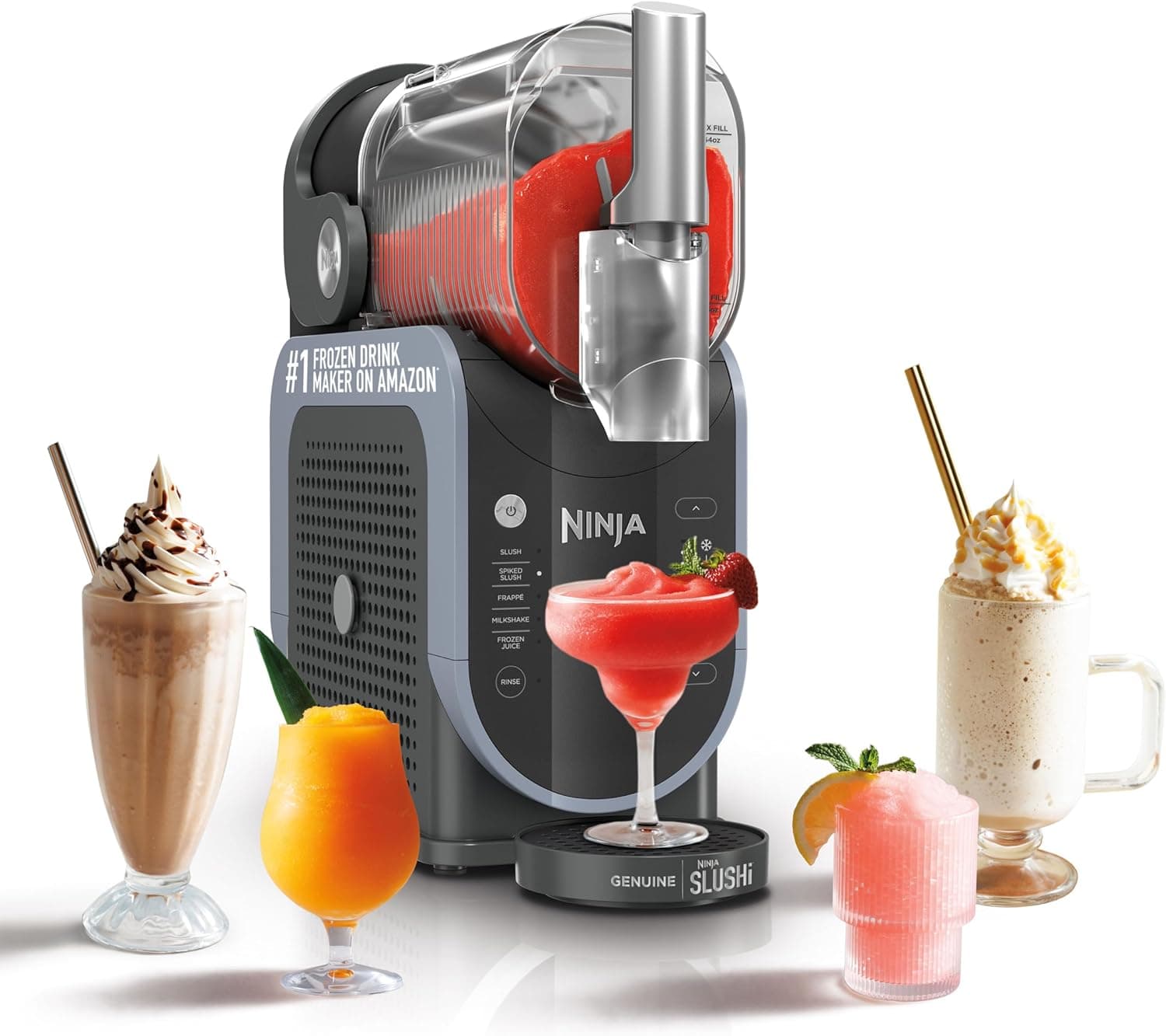
Ninja SLUSHi Frozen Drink Maker
The 64 oz machine every Slushi recipe here is tuned for.
Check price →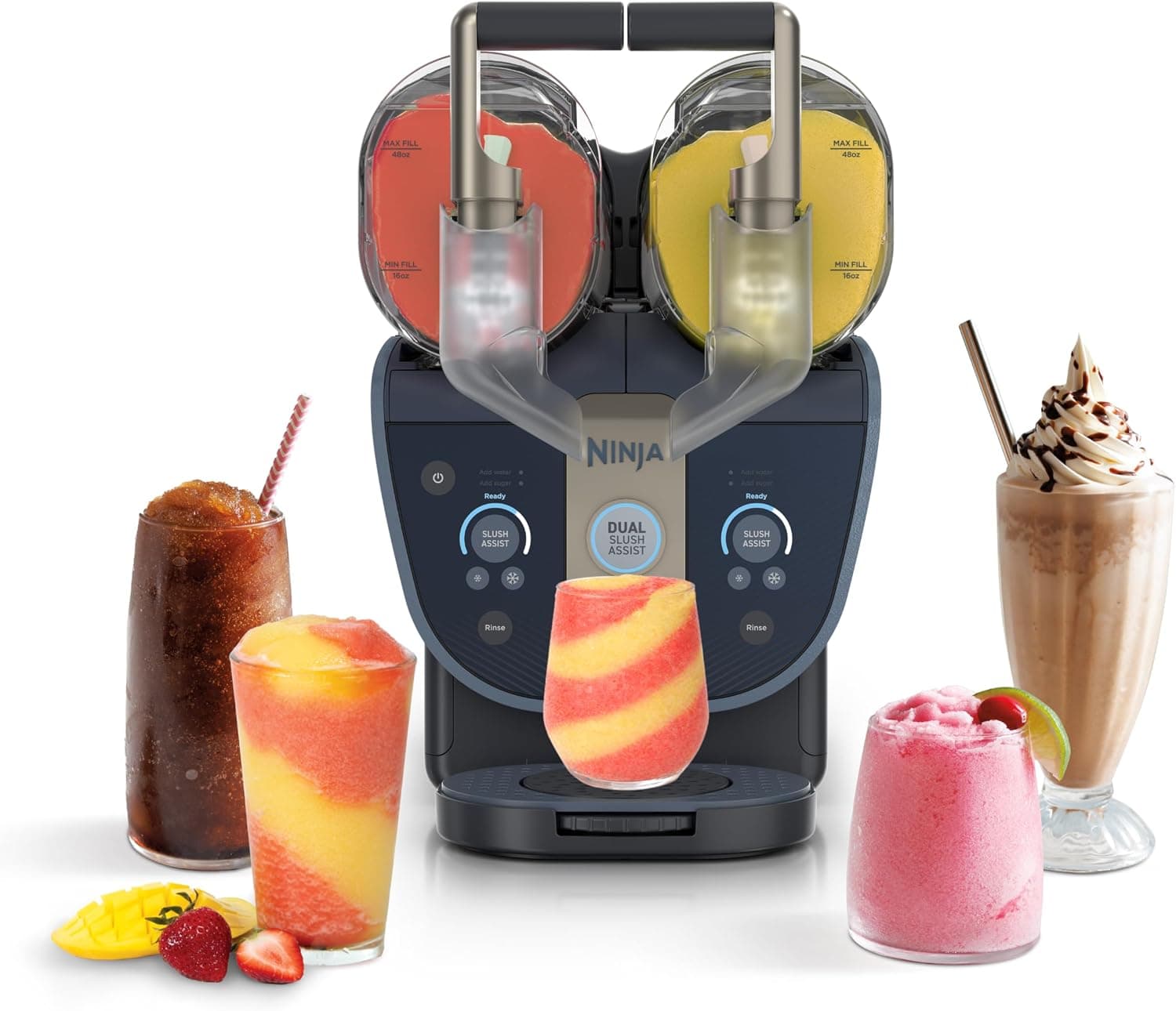
Ninja SLUSHi Twist (2 Flavors at Once)
Dual-tank Slushi: two flavors at once, up to 20% ABV.
Check price →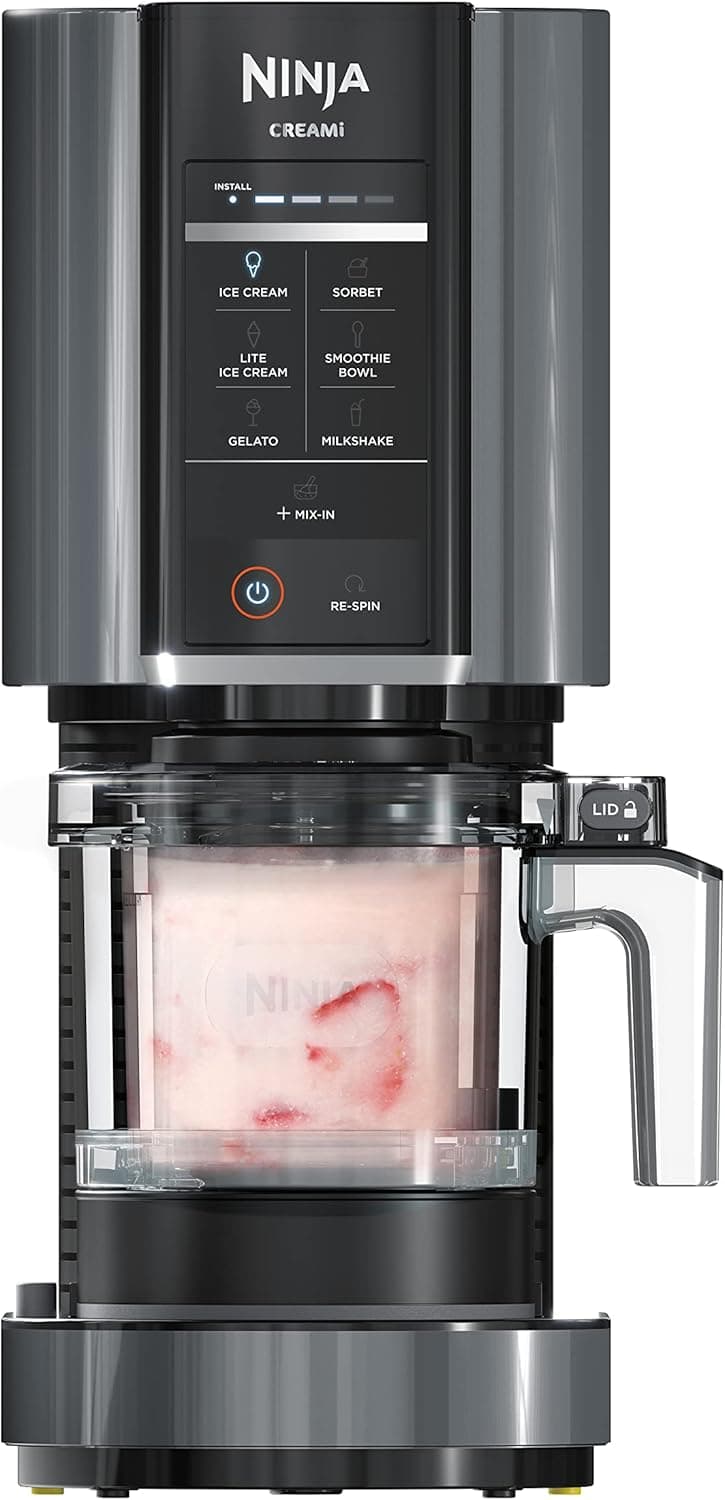
Ninja CREAMi Ice Cream Maker
Turn frozen bases into ice cream, gelato & sorbet.
Check price →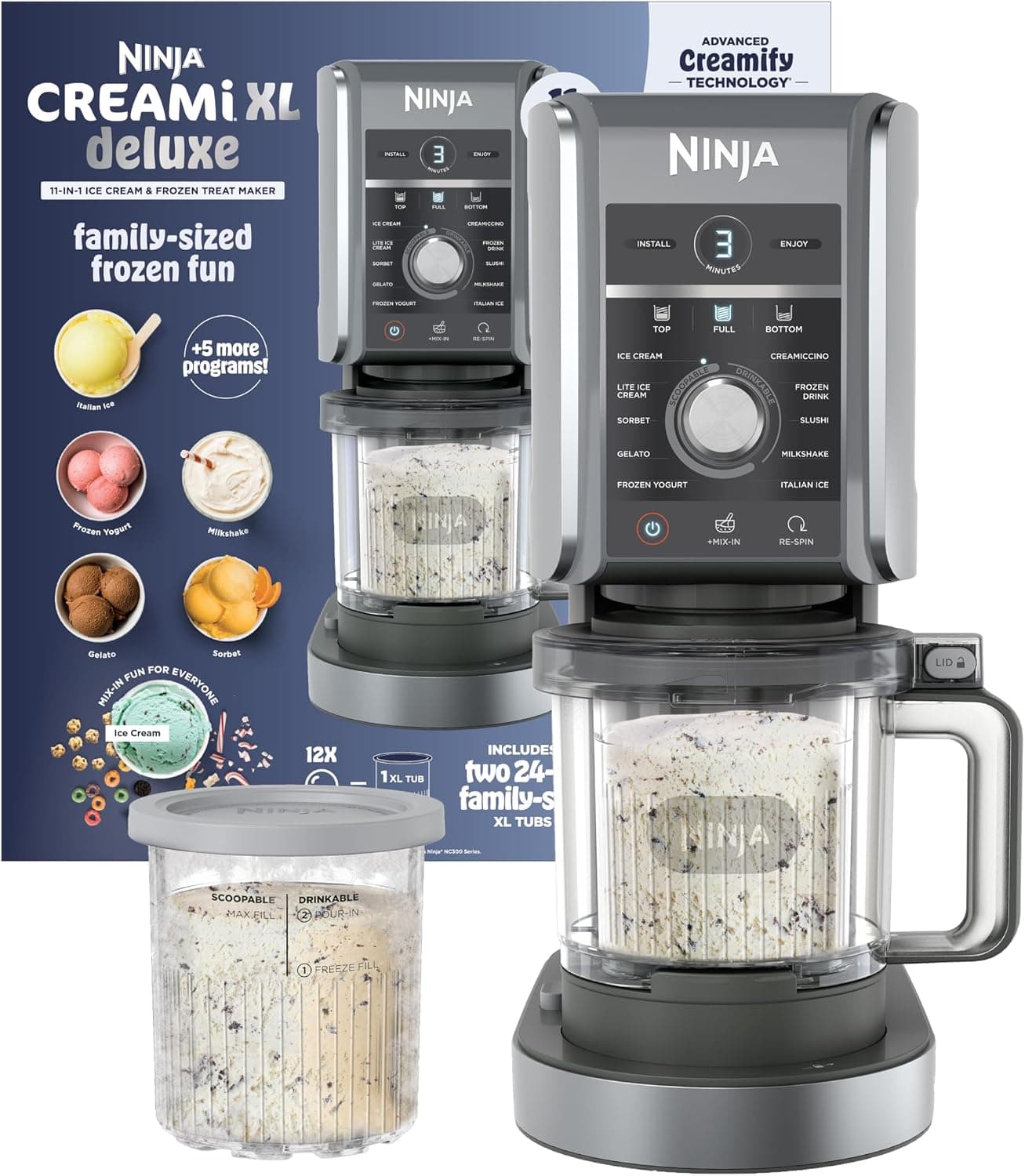
Ninja CREAMi Deluxe (11-in-1)
Bigger pints and more programs for serious batchers.
Check price →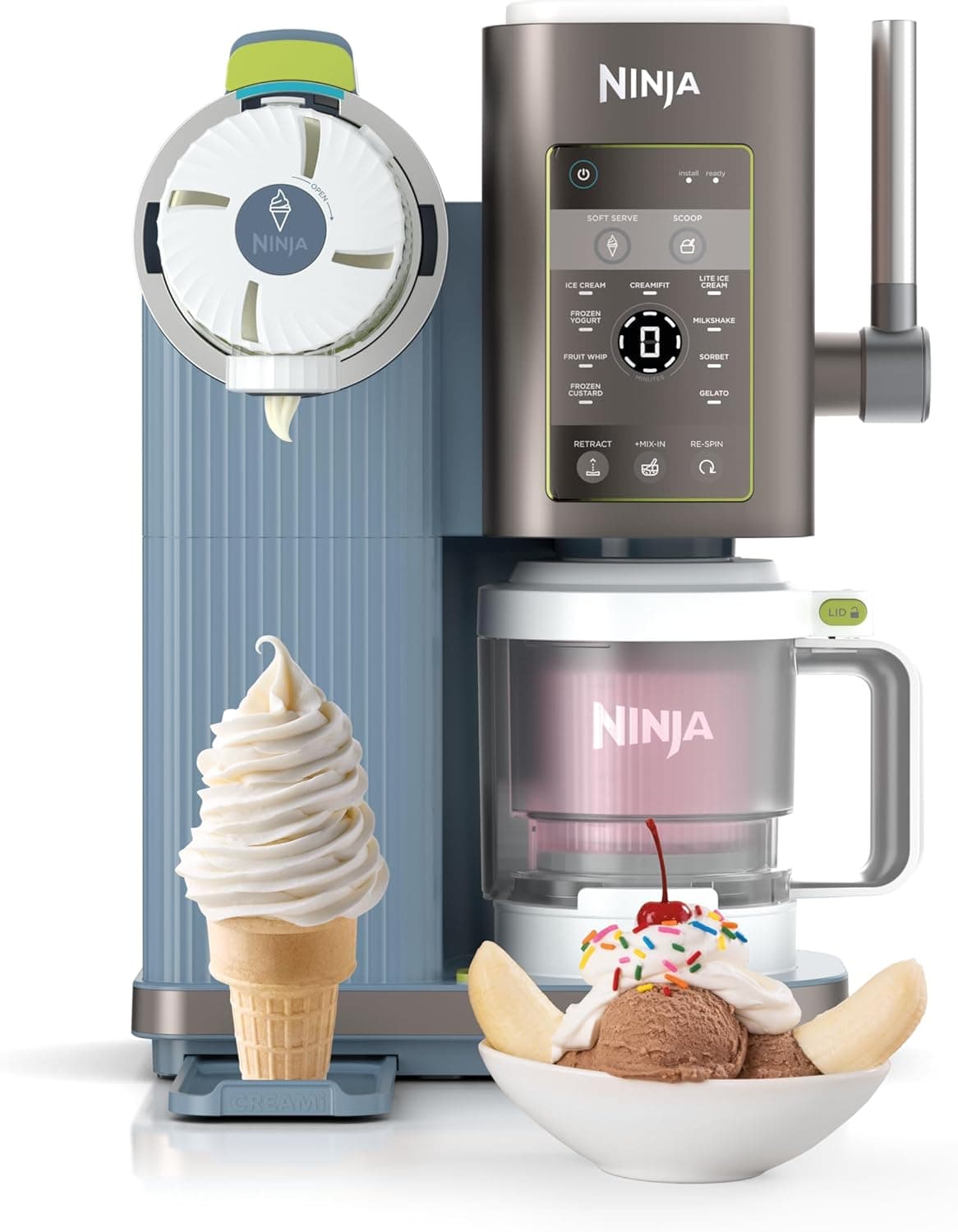
Ninja CREAMi Swirl
Soft-serve style swirls straight from the machine.
Check price →These are affiliate links. We may earn a commission from purchases at no extra cost to you. Learn more.