Ninja Slushi Error Codes: What E01 to E07 Actually Mean (and How to Fix Each One)
By Marty Cole · July 4, 2026
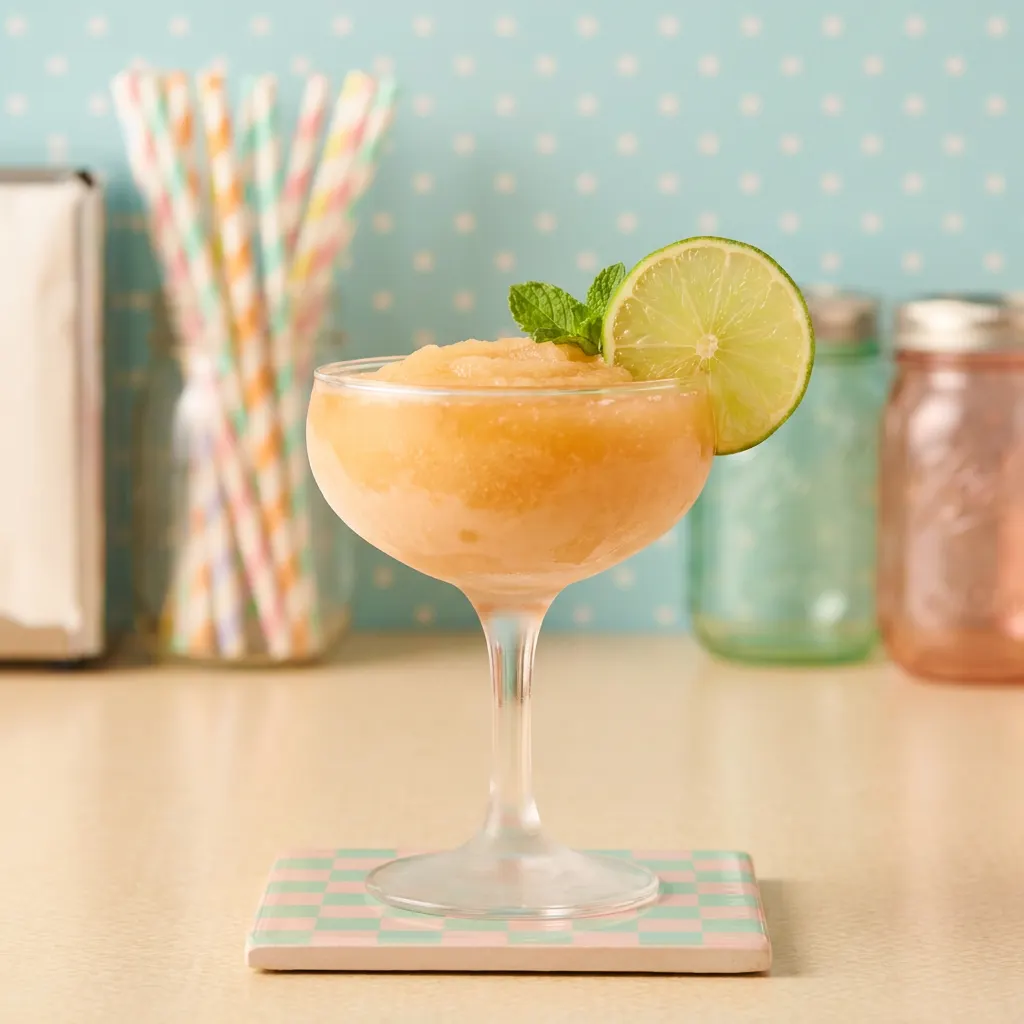
It's Friday night, I've got a pitcher of margarita mix cold and ready, and the second I hit start the Slushi flashes a code at me and beeps like it's mad at me personally. My first reaction, every single time, is to assume I broke it. I have not broken it, not once, in over a year of running this thing nightly through the summer. The Ninja Slushi just talks to you in codes and light patterns instead of words, and once you know what each one is pointing at, most of them fix themselves in under a minute.
Quick honesty note before we start: Ninja doesn't publish one tidy plain-English list of every numbered code, and the exact codes can shift a little with firmware. So treat the sections below as what each code is generally pointing at, and keep SharkNinja's official Ninja Slushi Error Code Guide as the final word if a code sticks around. The fixes here are the same safe first moves I reach for regardless of the exact wording on your screen.
First, check the obvious thing
Before you panic about a specific code, know that most flashing situations that aren't a numbered error come down to the lid. The Slushi won't run with an unlocked or unsensed lid, full stop, and it flashes at you instead of running. Lift the bail handle all the way up, seat the jug forward until it clicks onto the base, then push the handle back down with real pressure until you hear the second click. If you've been making sticky drinks, wipe down the little sensor nub on the underside of the lid too. Syrup residue builds up there and the lid can look closed while the machine still reads it as open.
E01: a sensor isn't reading right
E01 is a sensor fault, not a "you did something wrong" code. The machine isn't getting a clean reading from one of its sensors, and the most common everyday cause is gunk on the lid sensor tab, usually a day or two after a peach bellini batch left syrup everywhere. Pull the lid off, find the small plastic tab on the underside, and give it a real wipe with a damp cloth, not just a swipe, then let it dry. Reseat the lid until it clicks, and make sure the jug is sitting flush on the base since a crooked jug throws the sensor alignment off too. If E01 keeps coming back on a clean, properly seated machine, that points at the sensor itself rather than anything you did, and it's worth a call to support.
E02: motor's had enough for now
E02 shows up when the motor has been working hard, usually on a thick batch or back-to-back runs without a break, and it's decided to protect itself from overheating. Unplug it, let it sit for fifteen or twenty minutes, and don't rush that part. If you were running something heavy on ice or fruit, pull the jug and give it a rinse in cold water while it cools. Restart once it's had its break and it almost always runs clean the second time.
E03: something's jammed the auger
E03 usually comes with a rattling or clicking sound right before it trips, which is your tell that a chunk of ice or fruit has wedged itself between the auger and the jug wall. Unplug the machine, and I mean actually unplug it before you reach in there, then clear whatever's stuck. Going forward, keep ice pieces on the smaller side and don't pack the jug past about two-thirds full. Big ice cubes are the number one cause of this one in my house.
E04 and up: liquid, power, and thick mixes
The higher codes are the ones I can't map one-to-one with total confidence, so here's the honest version, grouped by what they're generally telling you. If your exact code doesn't behave like I describe, the official guide is the place to confirm it.
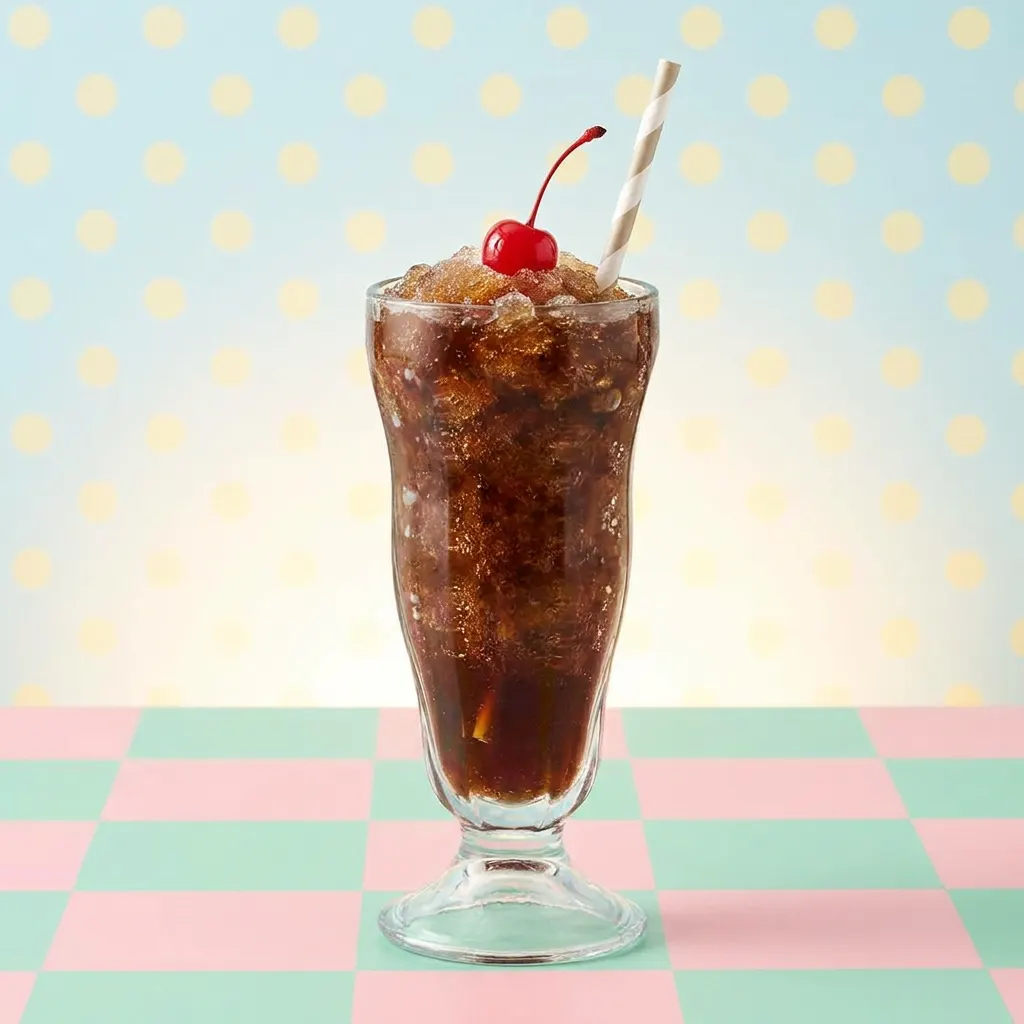
Not enough liquid. If a code pops the second you hit start, the machine is usually looking for liquid above its minimum fill line and not finding it. This happens if you eyeball a pour or try to run a half batch. Top it off to at least the low fill mark and restart. My Classic Cola Slush is measured out specifically so you never have to guess at this line.
Power hiccup. A code right after a brief power flicker, a storm, or someone bumping the outlet is the electronics playing it safe rather than risking a voltage swing. Unplug, wait a minute, plug back in on its own outlet rather than sharing a strip with your microwave or air fryer, and restart. If it keeps happening on the same outlet, that's a house wiring thing, not a Slushi thing.
Needs a reset. Some codes clear with nothing more than a full power cycle. Unplug for a solid minute, plug back in, and run a simple, well-balanced recipe first before you gamble a full pitcher of something fancy. My Arnold Palmer Slush is basically foolproof and a good one to run right after a reset.
Mix is too thick to churn. If whatever's in the jug is too heavy for the auger to move, usually too much frozen fruit or pulp and not enough liquid, add a splash more liquid, stir it around, and restart. Building your own recipe? Keep the ratio of solids to liquid on the lighter side your first time through, then adjust once you know how your mix behaves.
The flashing lights that aren't error codes
Two patterns aren't numbered codes at all, they're the temperature bar lights doing something specific, and they trip people up because there's no "E" on the screen to Google.
If the temperature control lights flash downward, starting from the top light and working down, and it beeps about once a minute, your mix doesn't have enough sugar to freeze into slush. This is different from a hard stop, it just means the batch needs a sugar boost, a couple tablespoons of simple syrup usually does it. Ninja's own guidance is to keep the mix around at least 4 percent sugar.
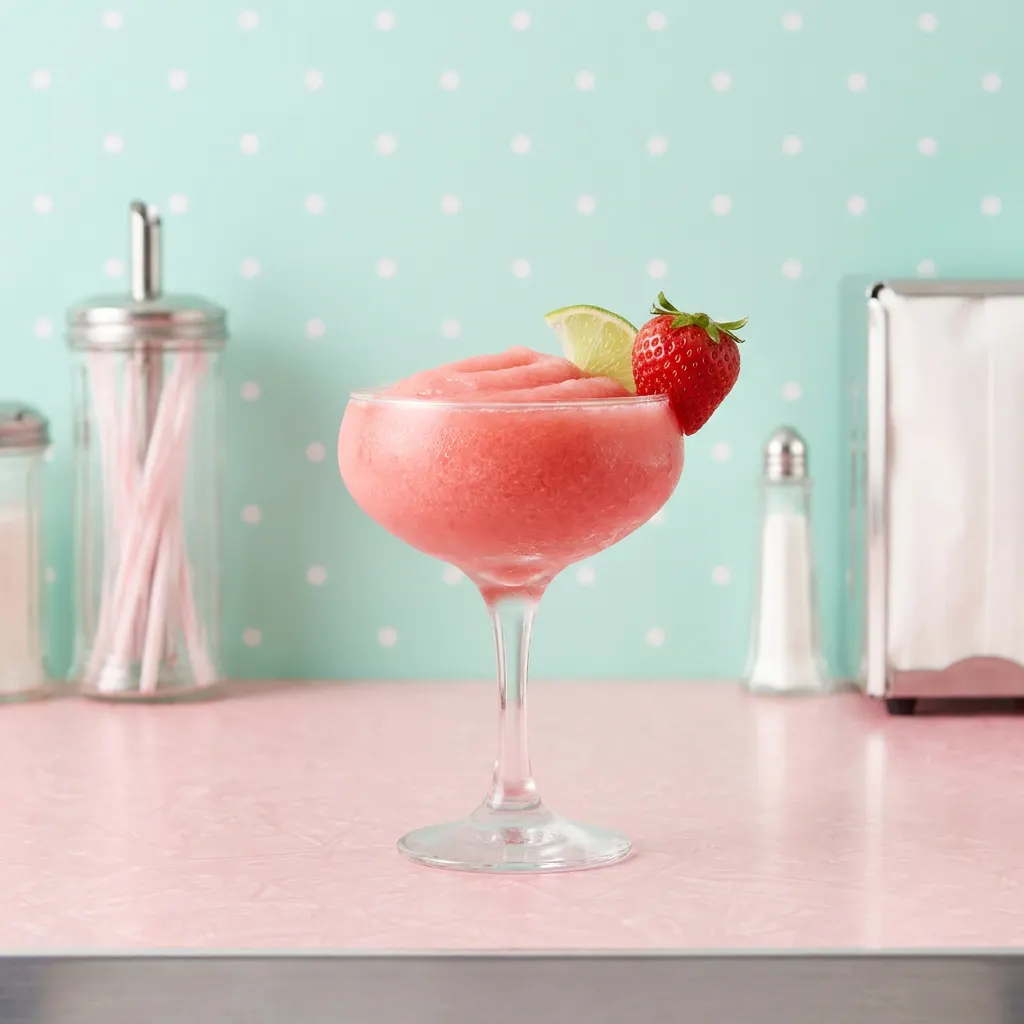
If the lights flash upward instead, from the bottom up, with beeping every so often, the machine thinks your mix has too much alcohol or too much sugar to safely churn. Cut a boozy batch with more juice, water, or soda to bring it down. Ninja lists a workable window of roughly 2.8 to 16 percent alcohol, and my Frozen Mai Tai and Classic Frozen Margarita recipes are both built to stay inside that ceiling so you don't end up chasing this one.
When none of it matches what's on your screen
Firmware changes between production runs, so if you're staring at a code I didn't cover, or your unit does something the manual doesn't mention, don't just keep restarting it and hoping. A hard reset first, unplug for a full minute, is still your best move for anything weird. If the same code keeps coming back after that on an otherwise normal batch, pull up SharkNinja's official error code guide and, if it's still stuck, call SharkNinja support instead of troubleshooting blind, especially while the machine is under warranty.
Most of the time though, it really is a sticky sensor, an ice cube that's a little too big, or a mix that needs more sugar or more liquid. Once you've been through it a couple times you stop reading the screen as a threat and start reading it as the machine just telling you what it needs.
Frequently asked questions
What does E02 mean on a Ninja Slushi?
E02 is the motor protecting itself from overheating, usually after a thick batch or back-to-back runs. Unplug the machine and let it rest for fifteen to twenty minutes, rinse the jug in cold water if it was heavy on ice or fruit, then restart. It almost always runs clean once it has cooled down.
Why does my Ninja Slushi keep flashing E01?
E01 is a sensor fault, meaning the machine isn't getting a clean reading. The most common cause is syrup or moisture on the lid sensor tab, so wipe that tab dry and reseat the lid and jug so everything sits flush. If E01 keeps returning on a clean, properly seated machine, the sensor itself may need service from SharkNinja support.
My Ninja Slushi lights are flashing but there is no error code. What does that mean?
Those are the temperature bar lights, not a numbered error. Flashing downward from the top means the mix needs more sugar, so add a couple tablespoons of simple syrup. Flashing upward from the bottom means it reads too much alcohol or sugar to churn safely, so cut the batch with more juice, water, or soda. Ninja's workable range is about 4 percent sugar and roughly 2.8 to 16 percent alcohol.
How do I fix an E03 error on the Ninja Slushi?
E03 means something has jammed the auger, usually a chunk of ice or fruit wedged against the jug wall, often with a rattle right before it trips. Unplug the machine first, clear the blockage, then keep ice pieces small and fill the jug no more than about two-thirds full to stop it happening again.
Where is the official Ninja Slushi error code list?
SharkNinja publishes an FS300 Series Ninja Slushi Error Code Guide on its support site. Because exact codes and behavior can vary by firmware, that guide is the authoritative reference, and it is worth contacting SharkNinja support for any code that keeps coming back after a hard reset.
Recipes from this guide


Get the machine
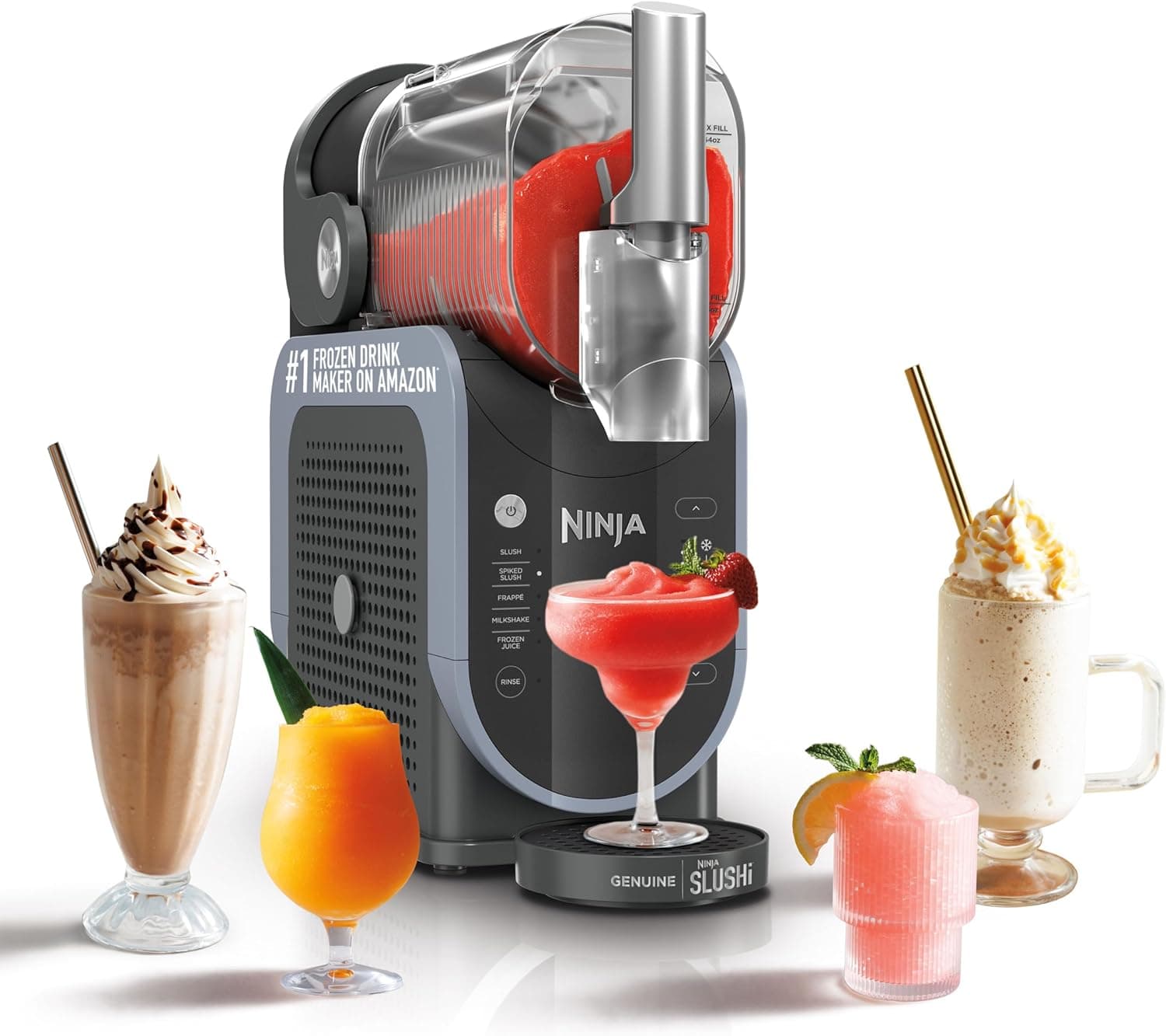
Ninja SLUSHi Frozen Drink Maker
The 64 oz machine every Slushi recipe here is tuned for.
Check price →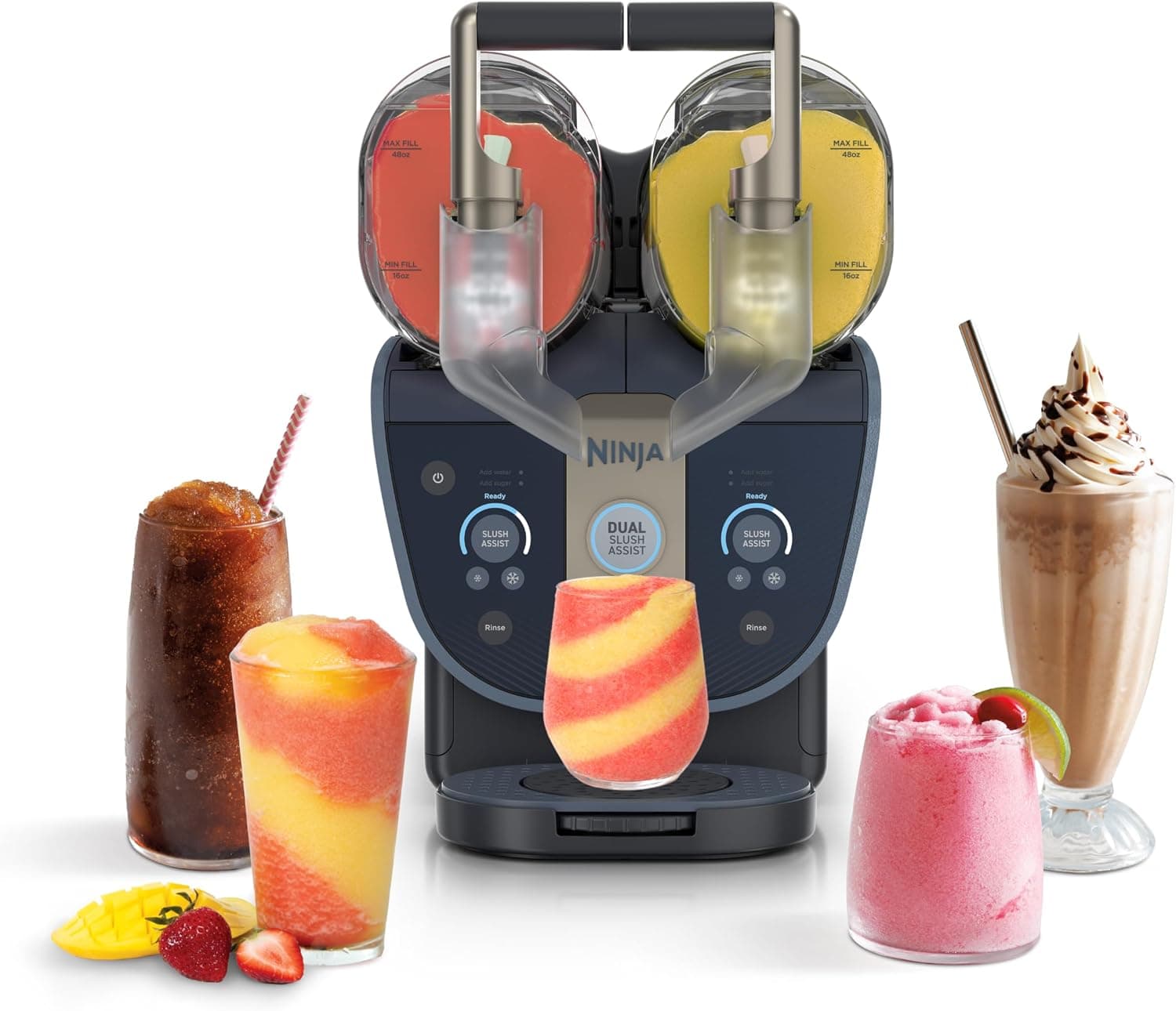
Ninja SLUSHi Twist (2 Flavors at Once)
Dual-tank Slushi: two flavors at once, up to 20% ABV.
Check price →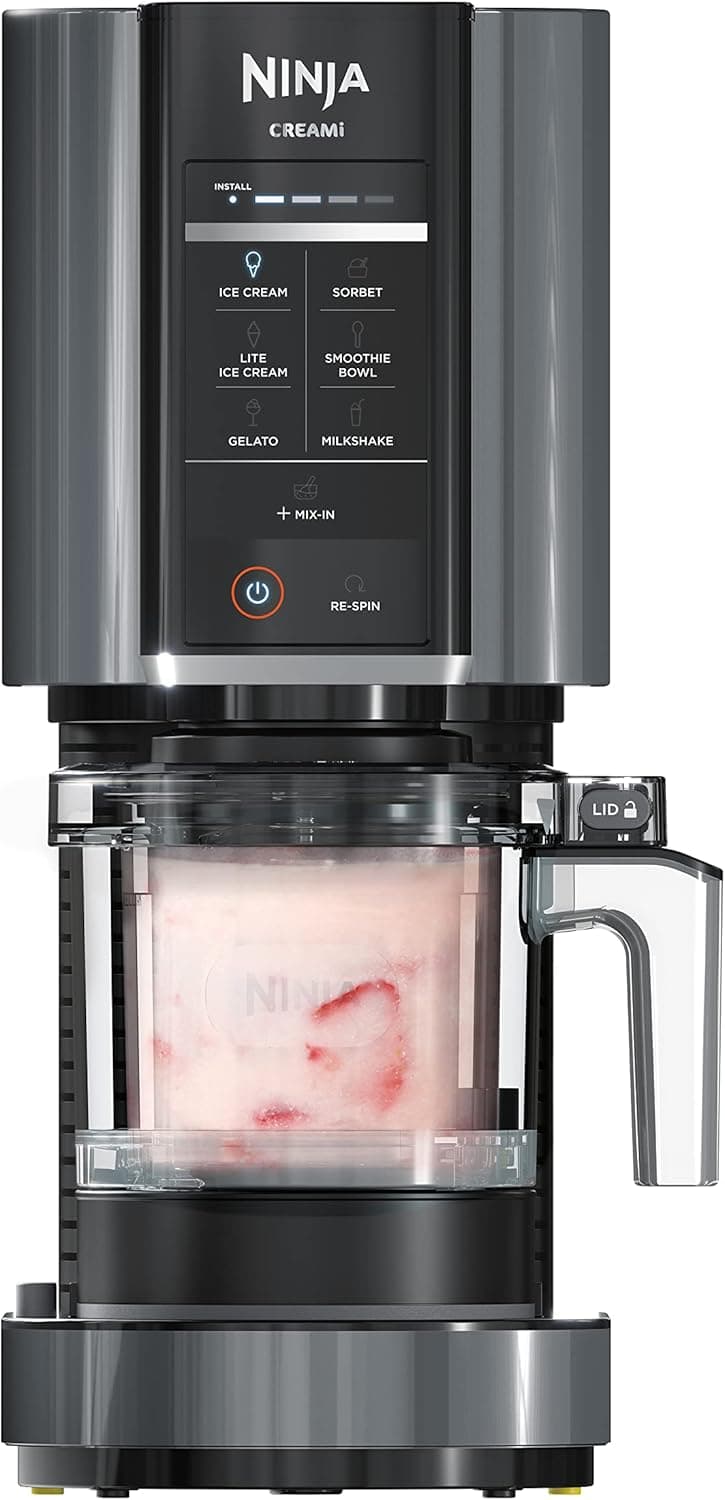
Ninja CREAMi Ice Cream Maker
Turn frozen bases into ice cream, gelato & sorbet.
Check price →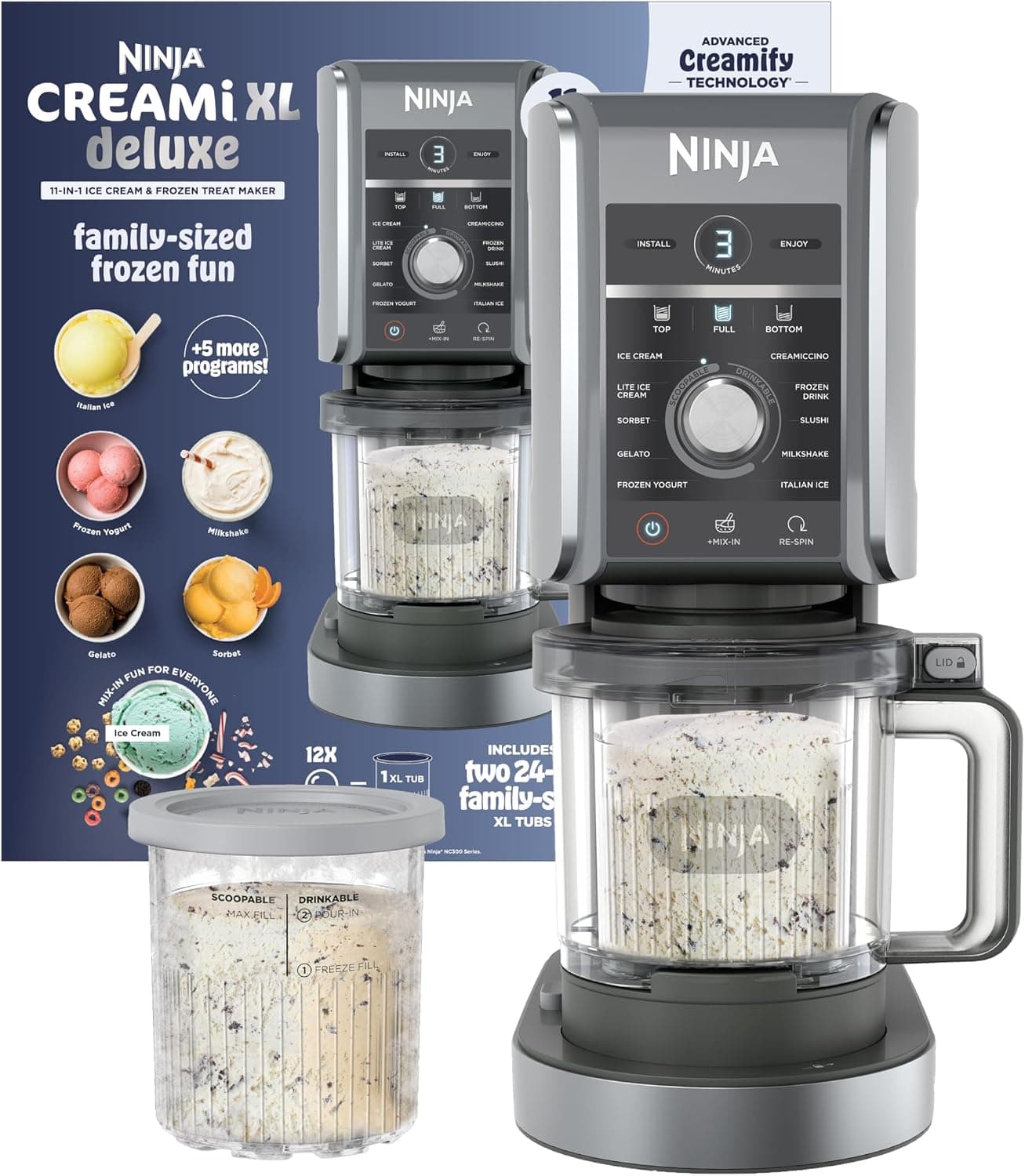
Ninja CREAMi Deluxe (11-in-1)
Bigger pints and more programs for serious batchers.
Check price →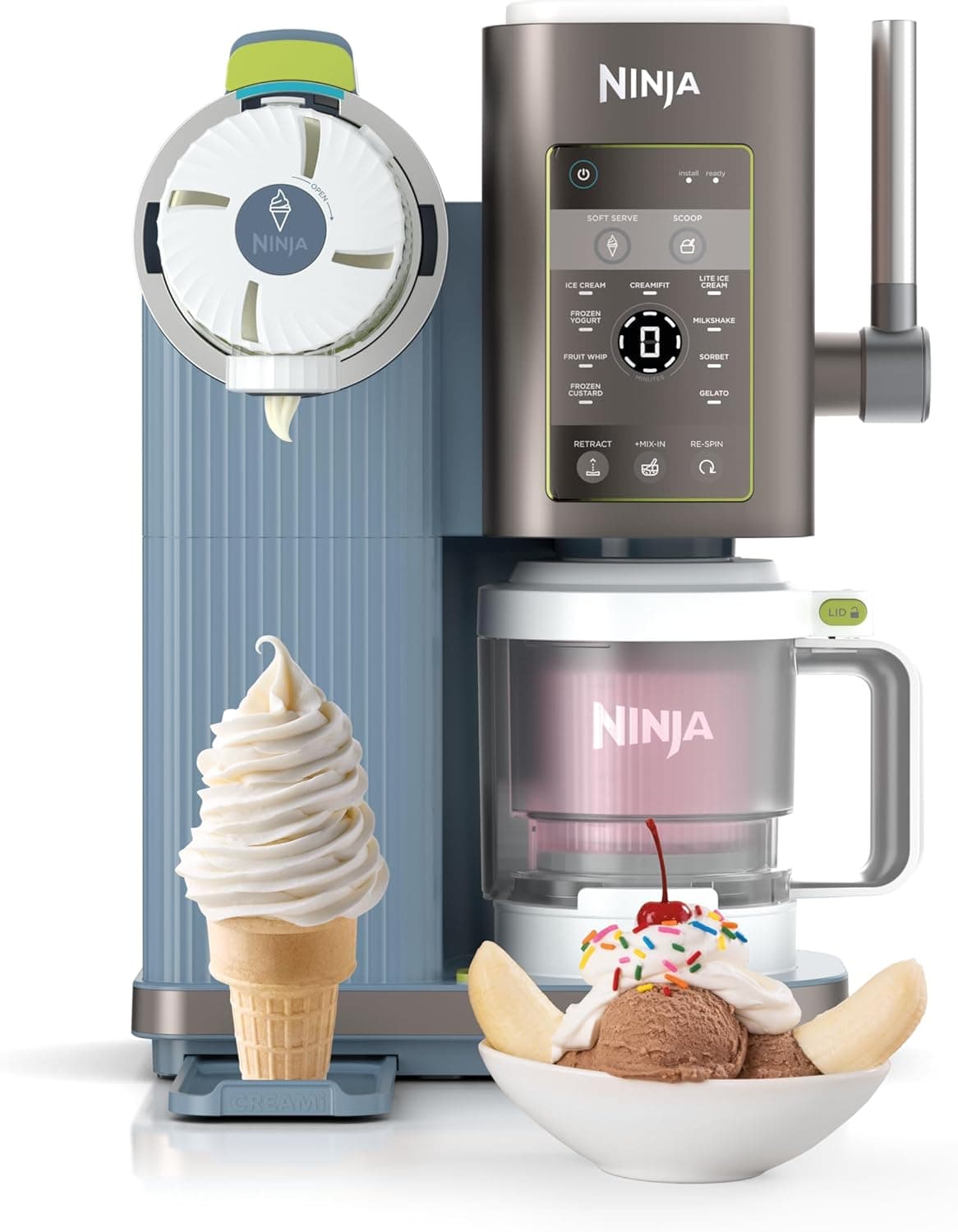
Ninja CREAMi Swirl
Soft-serve style swirls straight from the machine.
Check price →These are affiliate links. We may earn a commission from purchases at no extra cost to you. Learn more.