Ninja Slushi Temperature Settings Explained (What the Bars Actually Do)
By Marty Cole · May 9, 2026
I used the middle temperature setting on my Ninja Slushi for almost two months straight. Not because I thought it was right -- because I didn't really know what the bars did and the middle felt like a safe guess. Then I made a frozen margarita on that same setting and it came out as a lukewarm boozy slush that never quite got there, and I finally read up on what the temperature bars actually control.
Here's what I know now.
What the bars are actually doing
The Slushi chills a stainless cylinder from the inside and scrapes a thin layer of frozen slush off it with the auger. The temperature setting controls how aggressively the machine cools that cylinder -- not the final temperature of your drink, but how cold the cylinder gets and how fast it gets there.
More bars means a colder cylinder, faster freeze, firmer texture. Fewer bars means a warmer cylinder, slower freeze, softer slush. The difference matters more for some recipes than others.
Low (1-2 bars)
This is the maintenance setting. I use it to keep a finished slush at the right consistency while I'm serving it, or for light bases like my Kombucha Slush that are already right at the sugar threshold and don't need aggressive chilling. Going too cold on a low-sugar base can push it past soft slush into hard ice, which is what you're trying to avoid.
Also good for thick juice bases -- nectars, purees, anything with a lot of dissolved solids -- that benefit from a slower, more even freeze.
Medium (3-4 bars)
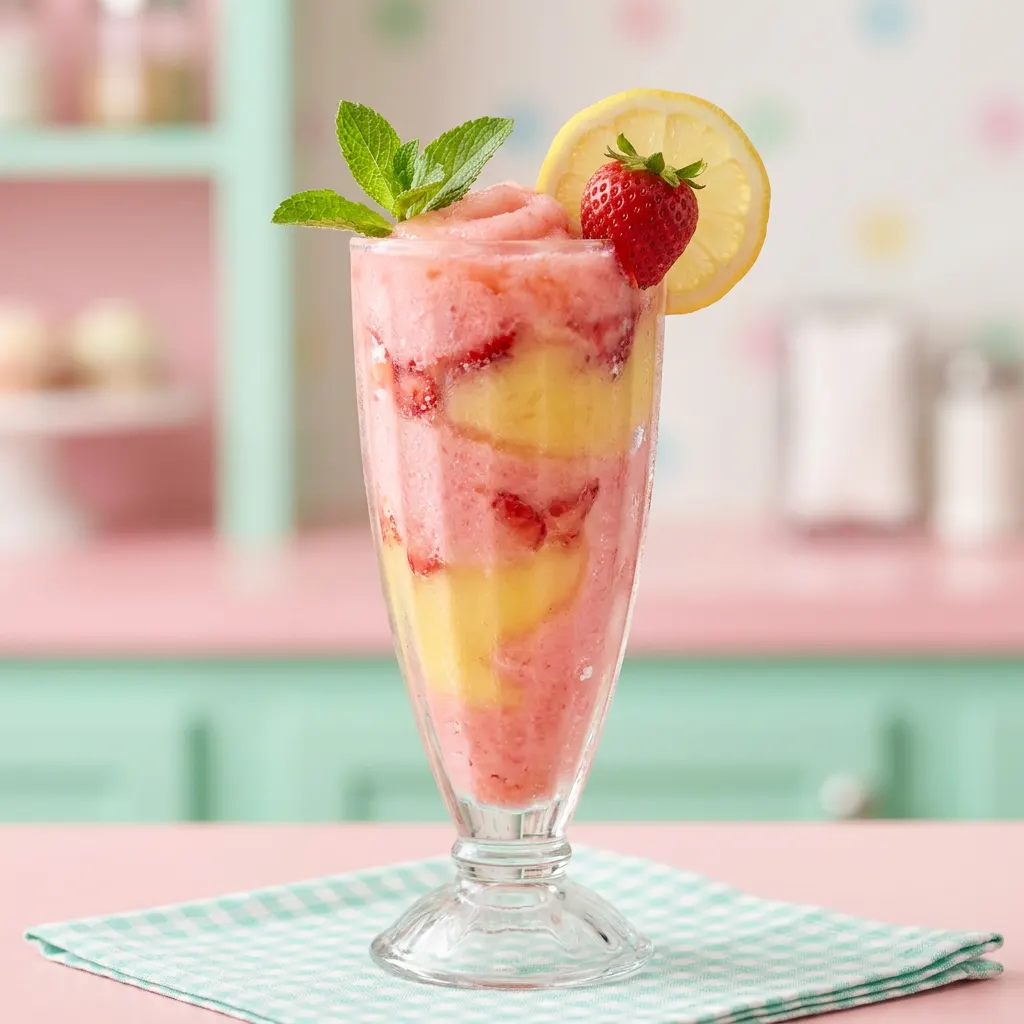
This is what I use for most recipes, and it's probably what you should start with too. My Frozen Strawberry Lemonade Slush, my Harry Potter Butterbeer Slushie, most fruit slushes, and the non-alcoholic category in general all work well here. The freeze is consistent and reliable without being aggressive.
High (5 bars)
For drinks that resist freezing. My Classic Frozen Margarita and the other spiked recipes with significant ABV need this setting because alcohol acts as an antifreeze -- the extra cold from the higher setting compensates. Same for my Frozen Coke Zero and other sugar-free bases with allulose, where the allulose itself lowers the freeze point.
If your spiked recipe is coming out as a cold liquid rather than a slush, bump to High before you mess with the recipe. That's usually the fix.
Ingredients matter more than the setting
The temperature bar is an adjustment, not a cure. A well-formulated recipe with the right sugar content will produce a decent slush on almost any setting. An under-sugared recipe won't freeze on the highest setting -- there's nothing for the machine to work with.
If something isn't freezing: check sugar content first (you want 8-12% ideally, 4% absolute minimum), then try bumping the temperature up one setting. If it's coming out too hard and icy: drop one setting and let it run a few more minutes rather than stopping early.
Does pre-chilling the ingredients actually matter?
Yes. A lot, actually. Cold ingredients from the fridge freeze faster and more evenly because the machine isn't spending the first half of the run just dropping the temperature of warm liquid. You can often use a lower temperature setting with pre-chilled ingredients and get a better result than you'd get with room-temperature ingredients on the highest setting.
For dairy-based drinks especially, going in cold makes a noticeable difference in texture. Pre-chilling is the free upgrade that most people don't bother with.
All Ninja Slushi recipes are here.
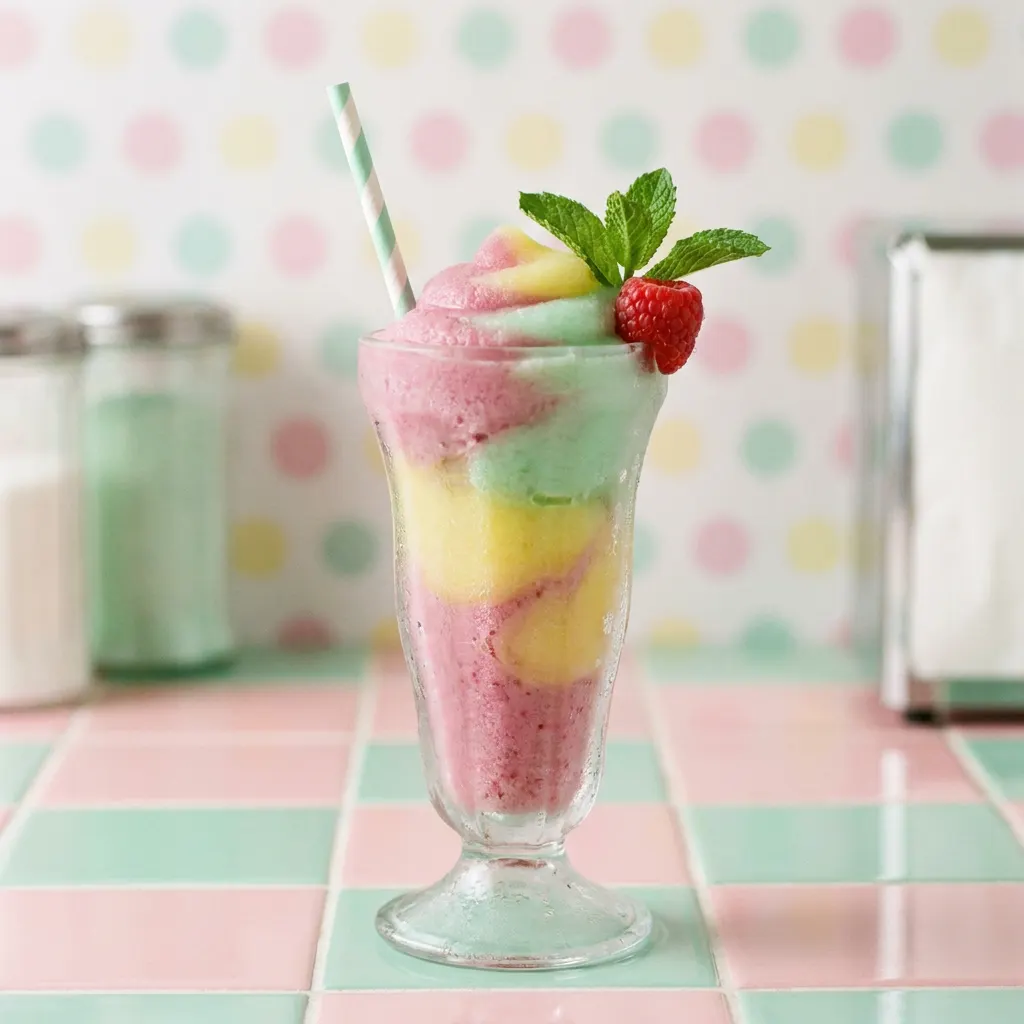
Recipes from this guide



Get the machine
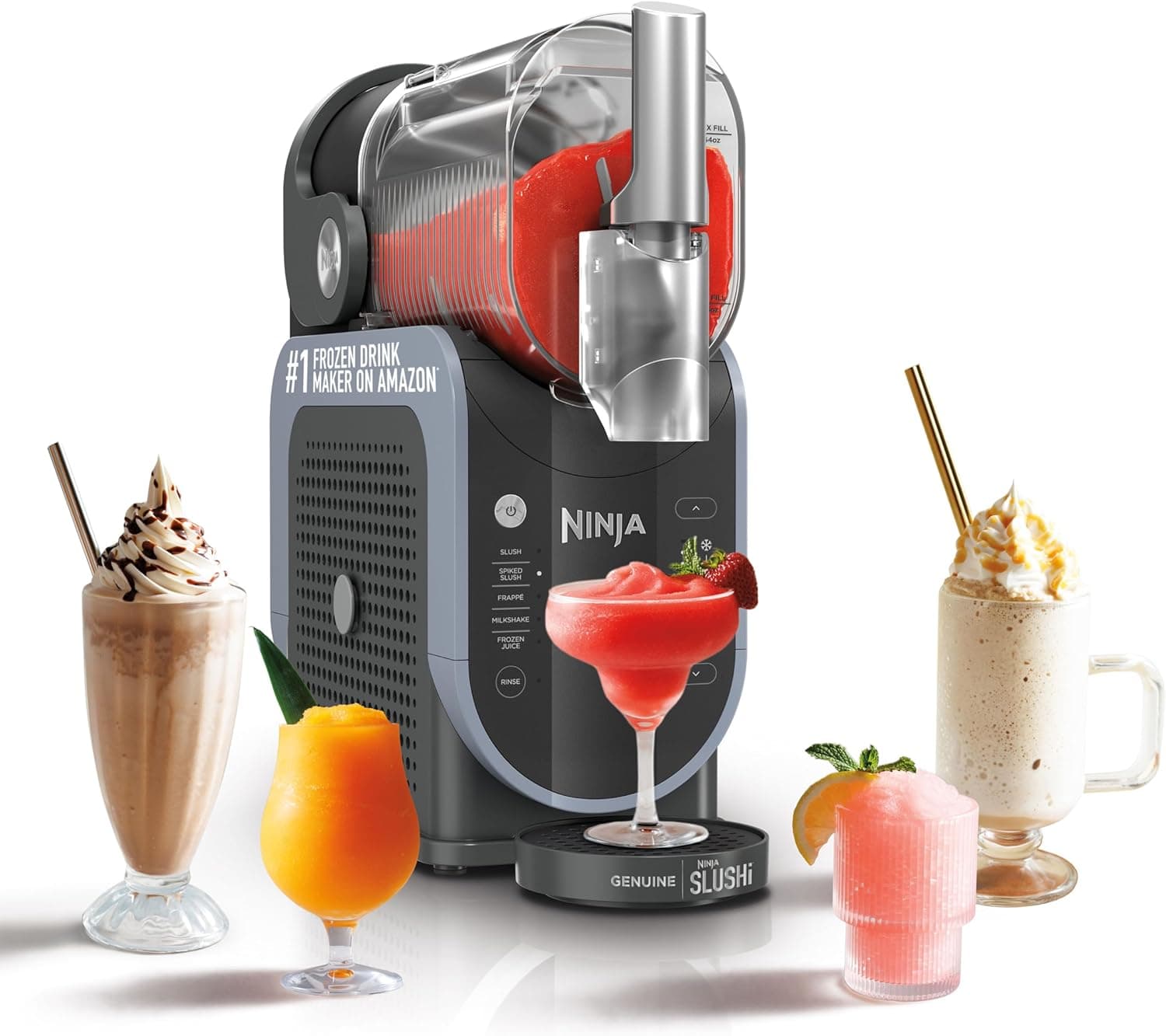
Ninja SLUSHi Frozen Drink Maker
The 64 oz machine every Slushi recipe here is tuned for.
Check price →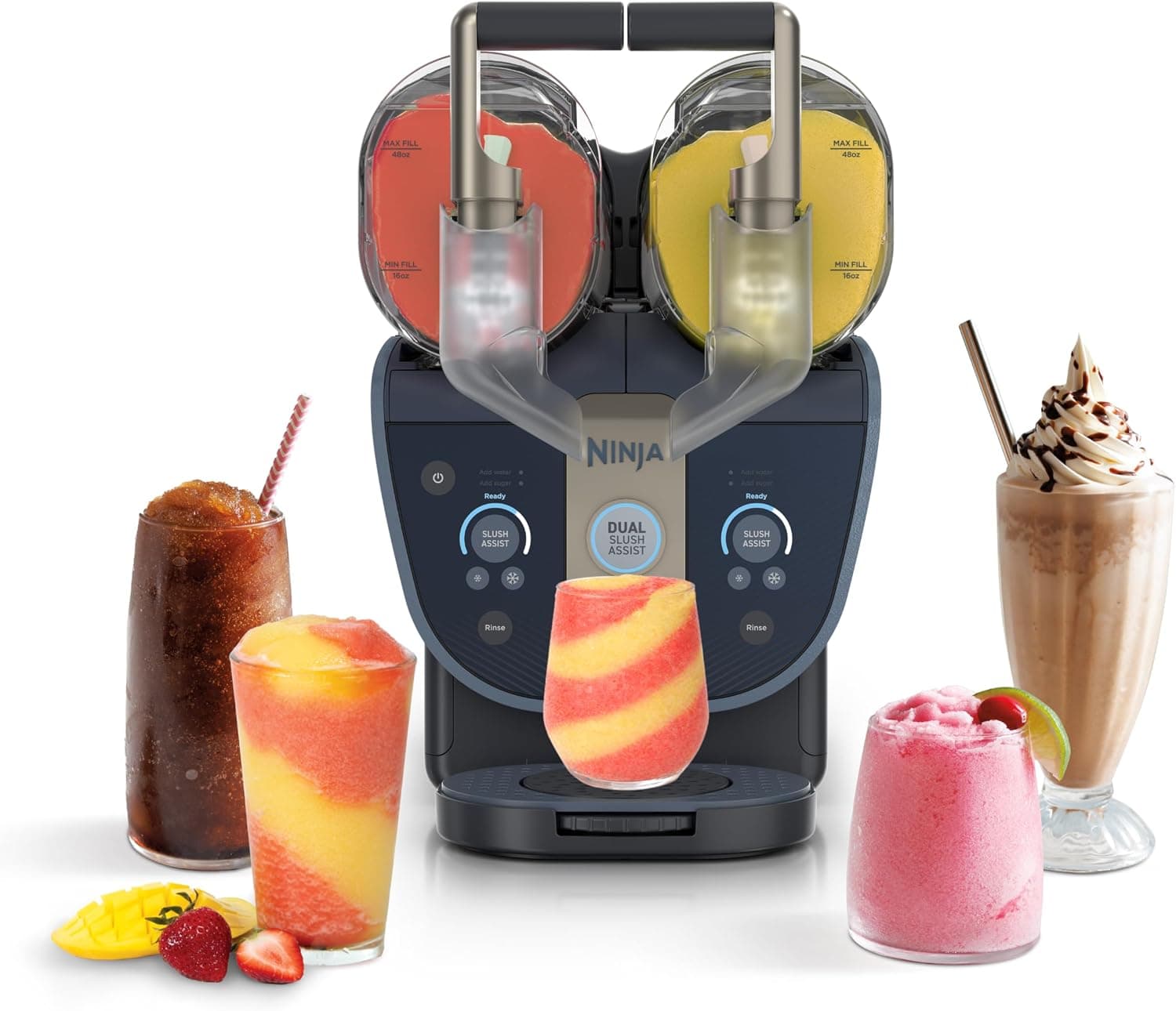
Ninja SLUSHi Twist (2 Flavors at Once)
Dual-tank Slushi: two flavors at once, up to 20% ABV.
Check price →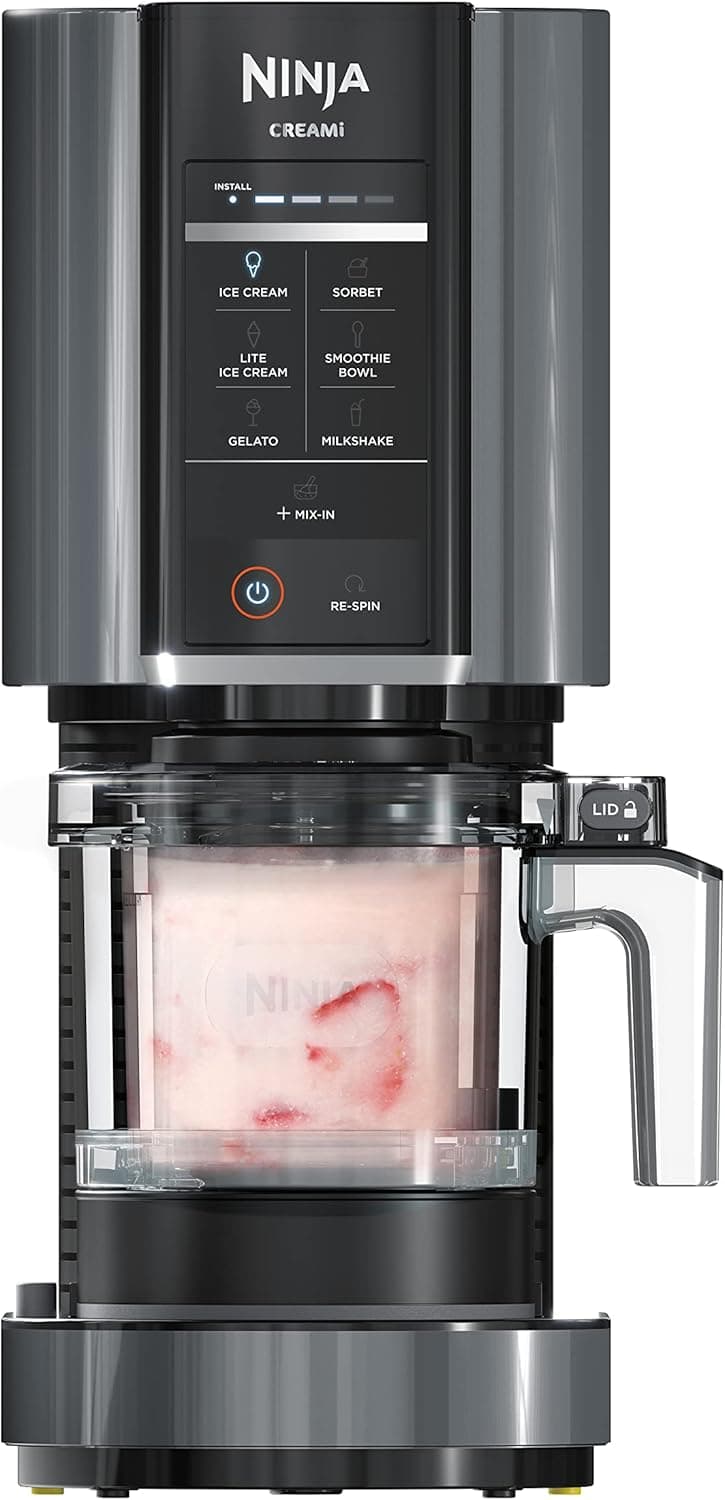
Ninja CREAMi Ice Cream Maker
Turn frozen bases into ice cream, gelato & sorbet.
Check price →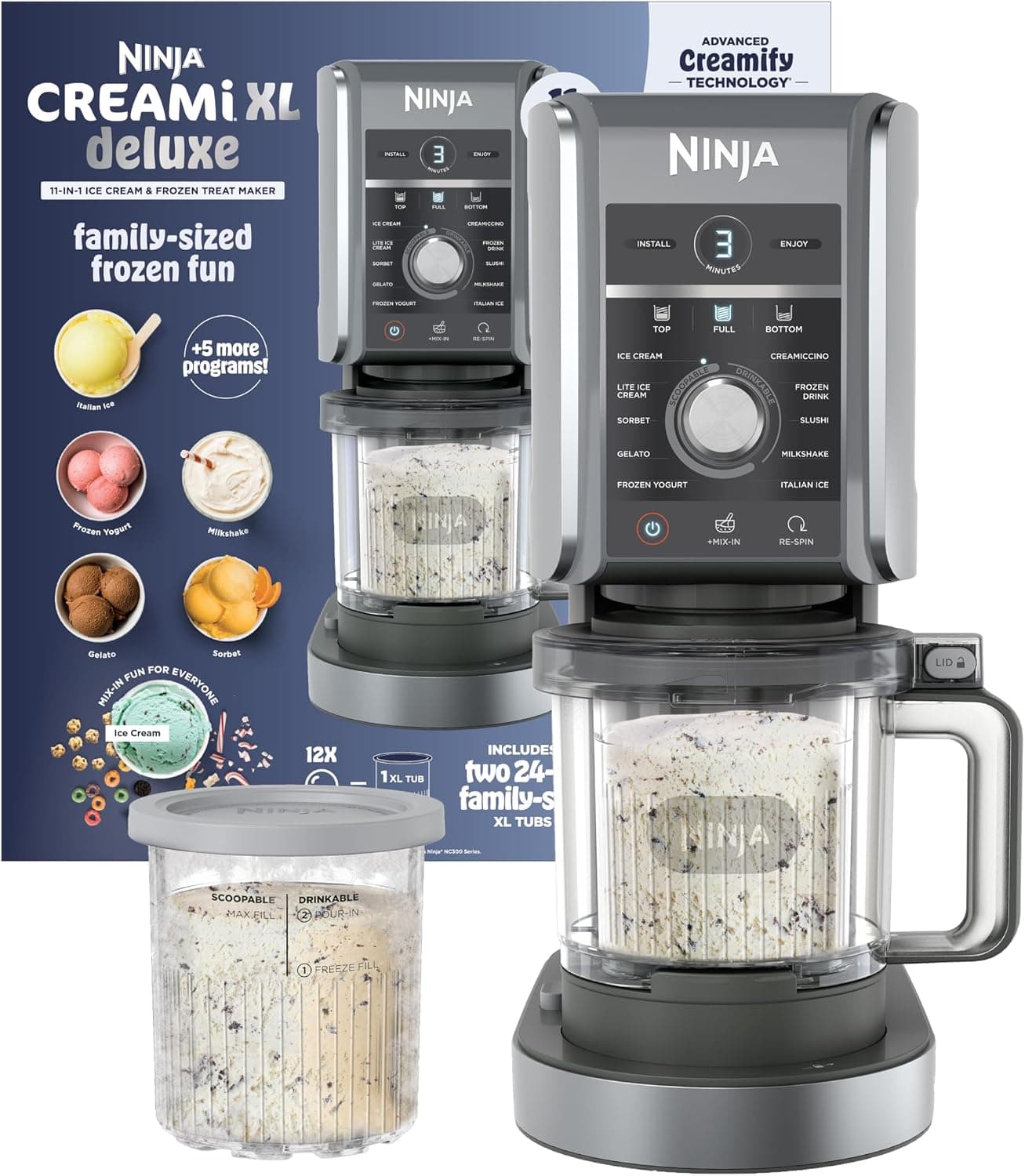
Ninja CREAMi Deluxe (11-in-1)
Bigger pints and more programs for serious batchers.
Check price →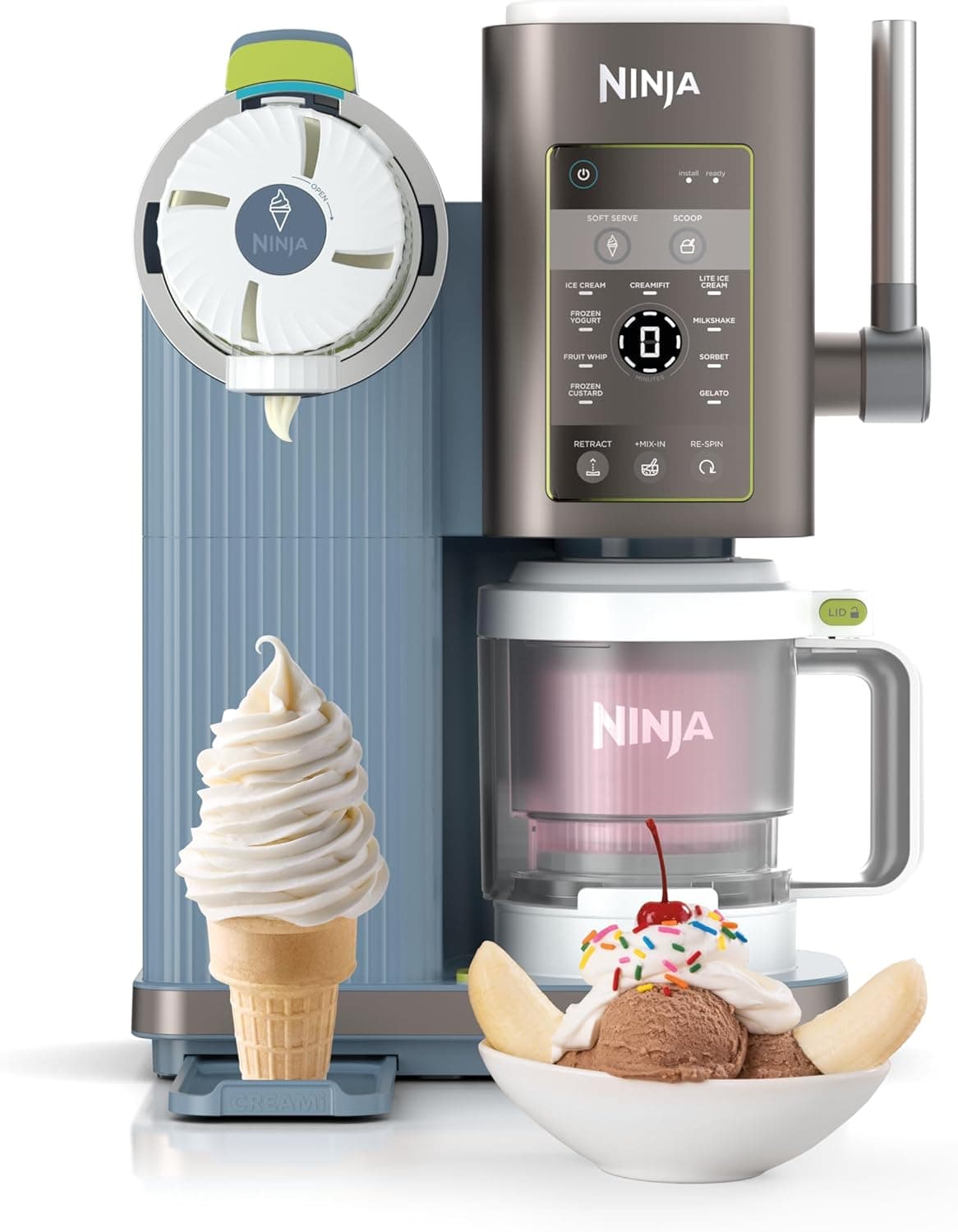
Ninja CREAMi Swirl
Soft-serve style swirls straight from the machine.
Check price →These are affiliate links. We may earn a commission from purchases at no extra cost to you. Learn more.